Learn about Red Light Therapy
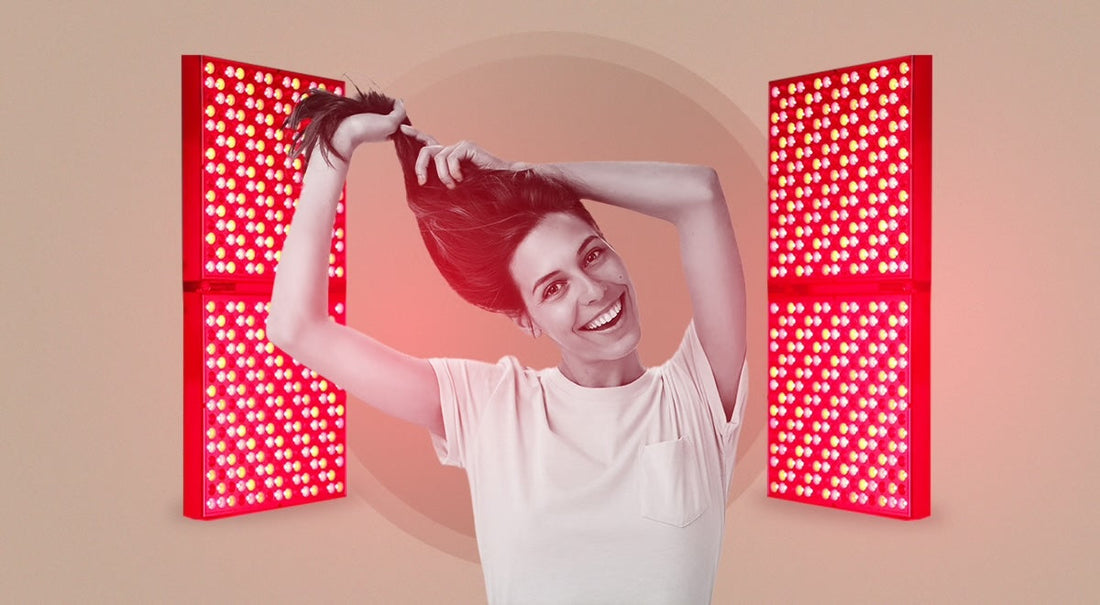
Improve hair growth with Kivo Red Light Therapy
Red light therapy, also known as low-level laser therapy (LLLT) or photobiomodulation, has garnered attention for its potential to stimulate hair growth and improve hair health. This non-invasive treatment involves exposure to low-level red and near-infrared light wavelengths, which penetrate the skin and reach the hair follicles, offering a range of benefits that can contribute to hair regrowth and overall scalp health. At the core of its effectiveness lies the ability of red light therapy to enhance cellular function and promote tissue repair. When applied to the scalp, red light stimulates the mitochondria, the powerhouse of cells, to produce more adenosine triphosphate (ATP), which is essential for cellular energy. This increase in ATP production fuels cellular processes, including those involved in hair growth. One of the primary mechanisms through which red light therapy aids in hair growth is by promoting blood circulation in the scalp. Improved blood flow means better delivery of oxygen, nutrients, and growth factors to the hair follicles, creating an optimal environment for hair growth. Additionally, enhanced circulation helps remove toxins and waste products that may hinder hair follicle function. Red light therapy also modulates the inflammatory response in the scalp. Chronic inflammation can disrupt the hair growth cycle and contribute to conditions such as alopecia and pattern baldness. By reducing inflammation, red light therapy helps maintain the health of hair follicles and prolong the anagen (growth) phase of the hair cycle. Red light therapy has been shown to stimulate the proliferation of hair follicle cells and promote the production of proteins such as keratin, which are essential for hair strength and structure. This leads to thicker, stronger hair shafts that are less prone to breakage and shedding. Numerous studies support the efficacy of red light therapy for hair growth. For example, a 2019 systematic review published in Lasers in Medical Science analyzed 21 randomized controlled trials and concluded that red light therapy significantly improved hair density and thickness in individuals with androgenetic alopecia, a common form of hair loss. Moreover, red light therapy is a safe and painless treatment option with minimal side effects. Unlike some medications and topical treatments for hair loss, red light therapy does not carry the risk of systemic side effects or skin irritation. It is well-tolerated by most individuals and can be used as a standalone treatment or in conjunction with other hair restoration therapies for enhanced results. It's important to note that consistency is key when undergoing red light therapy for hair growth. While some individuals may notice improvements after just a few sessions, optimal results typically require regular treatments over several weeks or months. Most red light therapy devices designed for hair growth can be used at home, making it a convenient option for individuals seeking to address hair loss concerns. Red light therapy offers a promising solution for individuals struggling with hair loss or seeking to improve the health and appearance of their hair. By stimulating cellular activity, enhancing blood circulation, reducing inflammation, and promoting protein synthesis, red light therapy can help rejuvenate hair follicles, leading to thicker, stronger hair growth. As research in this field continues to evolve, red light therapy is poised to become an increasingly valuable tool in the management of hair loss and scalp conditions. We recommend Kivo Panels for hair restoration, growth, and improvement Sourcehttps://www.ncbi.nlm.nih.gov/pmc/articles/PMC8577899/
Learn more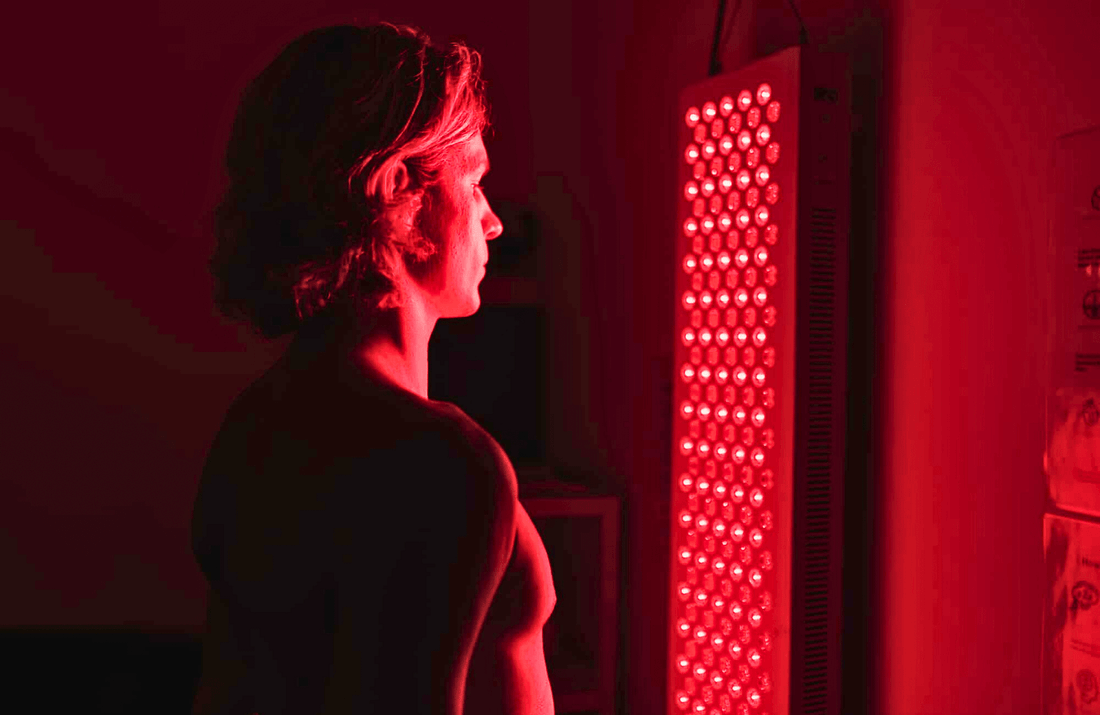
Effectiveness of Red Light and Near-Infrared Therapy
Red light therapy (RLT) and near-infrared therapy (NIRT) have gained increasing attention in recent years for their potential therapeutic benefits across a range of medical and aesthetic applications. These therapies utilize specific wavelengths of light to penetrate the skin and stimulate cellular processes, offering a non-invasive and potentially effective alternative or complementary treatment for various conditions. Mechanism of Action At the core of red light and near-infrared therapy is the interaction between light and cellular components, particularly chromophores like cytochrome c oxidase in mitochondria. When exposed to specific wavelengths of red and near-infrared light, these chromophores can absorb photons, leading to increased ATP production, improved cellular metabolism, and enhanced tissue repair and regeneration. Clinical Applications Skin Health and Anti-Aging RLT has been widely studied for its potential benefits in improving skin health and reducing signs of aging. Research suggests that RLT can stimulate collagen production, reduce inflammation, and enhance wound healing, making it a popular treatment for conditions like wrinkles, scars, and acne. Pain Management and Rehabilitation NIRT has shown promise in managing various types of pain, including musculoskeletal pain, neuropathic pain, and arthritis. By improving blood circulation, reducing inflammation, and accelerating tissue repair, NIRT can help alleviate pain and promote faster recovery in injured or inflamed tissues. Hair Growth Preliminary studies have indicated that RLT may stimulate hair growth by promoting blood flow to the hair follicles, increasing follicular thickness, and prolonging the anagen (growth) phase of the hair cycle. This has led to its exploration as a potential treatment for conditions like alopecia. Neurological Disorders There is growing interest in the use of NIRT for neurological conditions like traumatic brain injury, stroke, and neurodegenerative diseases. Preliminary studies suggest that NIRT may have neuroprotective effects, promoting neuronal survival and function, and improving cognitive outcomes. Safety and Side Effects One of the key advantages of red light and near-infrared therapy is its generally favorable safety profile. Most studies have reported minimal side effects, with the most common being temporary skin irritation or mild discomfort at the treatment site. However, as with any medical treatment, it is essential to consult with a healthcare professional before starting therapy, especially for individuals with pre-existing medical conditions or those taking medications that may interact with light therapy. Conclusion Red light and near-infrared therapy offer a promising and non-invasive approach to treating a variety of medical conditions, ranging from skin health and pain management to neurological disorders. While further research is needed to fully understand the mechanisms of action and optimize treatment protocols, existing studies suggest that these therapies can be a valuable addition to the therapeutic arsenal. As always, it is crucial to consult with a healthcare professional to determine the most appropriate and effective treatment plan for individual needs. References Footnotes Hamblin, M. R. (2017). Mechanisms and applications of the anti-inflammatory effects of photobiomodulation. Atherosclerosis, 61(1), 91-99. ↩ Avci, P., Gupta, A., Sadasivam, M., Vecchio, D., Pam, Z., Pam, N., & Hamblin, M. R. (2013). Low-level laser (light) therapy (LLLT) in skin: stimulating, healing, restoring. Seminars in cutaneous medicine and surgery, 32(1), 41-52. ↩ Leung, M. C., Lee, F. K., & Lai, K. W. (2017). The effectiveness of low-level laser therapy in shoulder tendinopathy. Hong Kong medical journal, 23(2), 165-172. ↩ Gupta, A. K., Foley, K. A., & Versteeg, S. G. (2017). Hair growth promoting properties of topical indole-3-carbinol containing formulation in mice. Archives of dermatological research, 309(5), 373-378. ↩ Naeser, M. A., Zafonte, R., Krengel, M. H., Martin, P. I., Frazier, J., Hamblin, M. R., & Knight, J. A. (2014). Significant improvements in cognitive performance post-transcranial, red/near-infrared light-emitting diode treatments in chronic, mild traumatic brain injury: open-protocol study. Journal of neurotrauma, 31(11), 1008-1017. ↩ Jenkins, P. A., & Carroll, J. D. (2011). How to report low-level laser therapy (LLLT)/photomedicine dose and beam parameters in clinical and laboratory studies. Photomedicine and Laser Surgery, 29(12), 785-787. ↩
Learn more