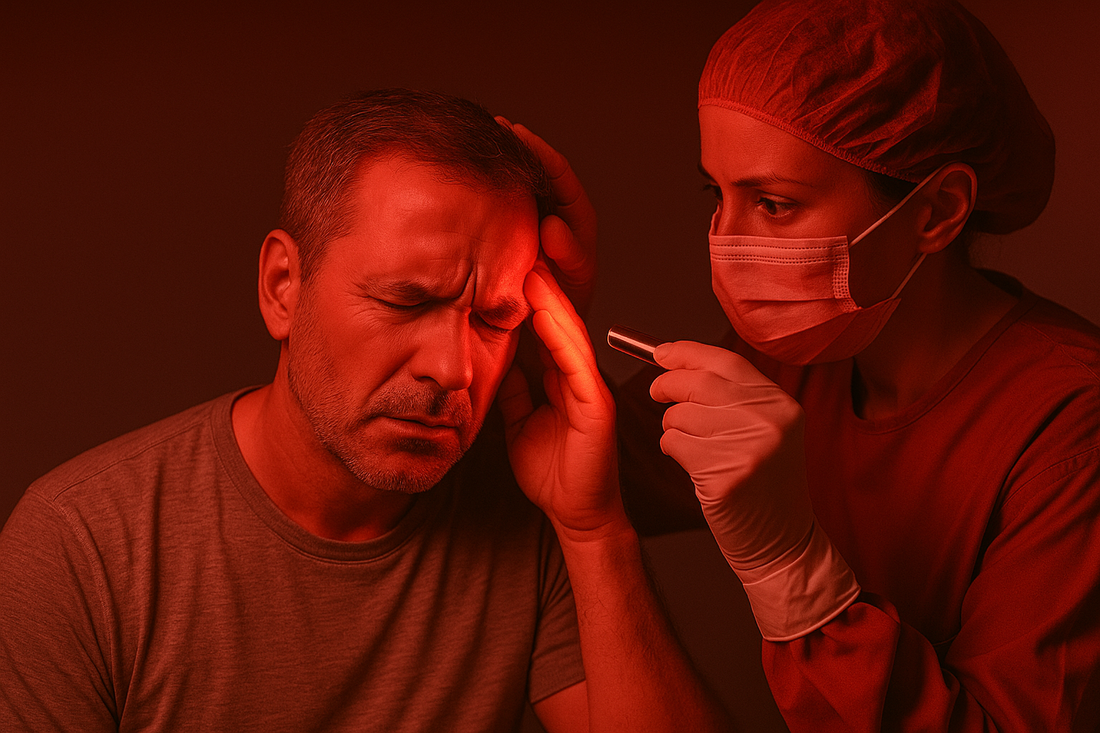

At a Glance
- Red Light Therapy and Near-Infrared Light Therapy may help reduce migraine and headache frequency by improving blood flow, reducing inflammation, and enhancing mitochondrial function
- Red Light Therapy enhances cellular energy production and reduces oxidative stress by promoting nitric oxide release
- Red and Near-Infrared Light, with regular use, can help prevent headaches and migraines from occurring
- Head-focused devices like the Kivo Light Therapy Cap can deliver targeted results to the affected areas
- Combining Red Light Therapy with lifestyle practices—adequate sleep, balanced nutrition, and stress management—enhances overall effectiveness
Red and Infrared Light Therapy for Migraine Prevention
Migraine sufferers often search for non-invasive solutions that avoid the side effects associated with traditional pharmaceutical treatments. Red and Near-Infrared light are gaining recognition as evidence-based tools for long-term migraine prevention and management.
Understanding the Science: How Light Wavelengths Work
Red light therapy (RLT) operates by delivering specific LED wavelengths that penetrate tissue at different depths, each triggering distinct cellular responses. The wavelengths used in therapeutic applications are carefully selected to interact with mitochondria—the energy-producing centers of your cells.
-
Red Light (600–700 nm): Penetrates to shallow depths of approximately 5 millimeters. At this wavelength, red light stimulates ATP (adenosine triphosphate) production in surface tissues and cells near the scalp, providing localized energy enhancement.
-
Near-Infrared Light (800–900 nm): Reaches deeper into tissue—up to 5 centimeters—allowing it to affect muscles, blood vessels, and deeper neural structures. This penetration depth makes it particularly effective for addressing inflammation in tissues surrounding the brain and nervous system.
Four Key Mechanisms: How Red Light Reduces Migraines
When applied to the head or neck region, these light wavelengths target the biological pathways that commonly trigger migraines and tension headaches:
-
Mitochondrial Energy Production: Red and near-infrared light stimulates the production of ATP within mitochondria. This increased cellular energy stabilizes neurons and reduces the neuronal hyperexcitability—a state of overactivity—that often precedes migraine onset. By providing cells with more energy, the nervous system becomes less prone to the cascading electrical activity that initiates a migraine attack.
-
Reduced Neuroinflammation: The therapy decreases pro-inflammatory signaling molecules, including cytokines and other inflammatory mediators. By calming this neuronal irritation, red light therapy addresses one of the core mechanisms underlying migraine pain and sensitivity.
-
Enhanced Vascular Function and Blood Flow: Red and near-infrared light triggers the release of nitric oxide, a signaling molecule that relaxes blood vessel walls and improves circulation. Better blood flow helps remove metabolic waste products that accumulate during migraine episodes and ensures optimal nutrient delivery to brain tissue, supporting overall neurological health.
-
Neurotransmitter Regulation: The therapy may help normalize levels of serotonin and endorphins—neurotransmitters critical for mood regulation and pain perception. Since serotonin dysregulation is implicated in migraine pathophysiology, restoring balance in these chemical messengers can reduce both migraine frequency and intensity.
Wavelength Comparison and Tissue Penetration
Understanding how different wavelengths interact with tissue helps explain why combining red and near-infrared light often produces better results than using either alone:
| Wavelength | Penetration Depth | Primary Benefits for Migraine Relief |
| Red Light (600–700 nm) | Shallow (~5 mm) | Enhances ATP production in surface tissues; supports scalp and superficial nerve function; provides immediate localized relief. |
| Near-Infrared (800–900 nm) | Deep (~5 cm) | Reduces inflammation in deeper tissues; improves vascular health; addresses underlying neurological dysfunction; supports long-term prevention. |
What Current Research Reveals
While large-scale human clinical trials remain limited, the existing body of research provides encouraging evidence. It's important to note that some findings come from animal studies, laboratory research, and smaller human case studies, but the overall pattern suggests genuine therapeutic potential:
-
Pain Intensity Reduction: Published research has documented reductions in migraine pain intensity, with some studies reporting improvements of up to 64% following consistent red light therapy treatment. These results suggest meaningful relief for many users.
-
Migraine Prevention: Case studies tracking patients who received red light therapy 1–3 times per week have shown promising prevention outcomes. In one documented case, all participants remained migraine-free throughout the treatment period, suggesting potential for long-term prevention rather than just acute symptom management.
-
Safety Profile: Red light therapy is non-invasive and has demonstrated an excellent safety record when used as directed. Unlike many pharmaceutical migraine treatments, RLT carries no known major adverse effects, making it an attractive low-risk option for those seeking to avoid medication side effects.
-
Mechanism Validation: Laboratory and animal studies have confirmed the biological mechanisms described above—ATP production, inflammation reduction, and nitric oxide release—providing a solid scientific foundation for the clinical observations.
Important Note: While the evidence is promising, red light therapy should be understood as a complementary tool rather than a guaranteed cure. Because comprehensive large-scale human trials are still in development, it works best when combined with other evidence-based migraine management strategies.
Optimizing Results: Combining Light Therapy with Lifestyle
Red light therapy is most effective when integrated into a comprehensive migraine management approach. Supporting your treatment with healthy lifestyle choices amplifies results:
- Sleep Quality: Consistent, restorative sleep reduces migraine triggers. Red light therapy may improve sleep by supporting circadian rhythm regulation.
- Nutrition: A balanced diet rich in magnesium, riboflavin, and antioxidants supports neurological health and complements the anti-inflammatory effects of light therapy.
- Stress Management: Chronic stress is a major migraine trigger. Combining red light therapy with relaxation practices creates a synergistic effect on nervous system regulation.
- Hydration and Exercise: Proper hydration and regular physical activity improve vascular function, working alongside the blood flow benefits of red light therapy.
Why Device Placement Matters
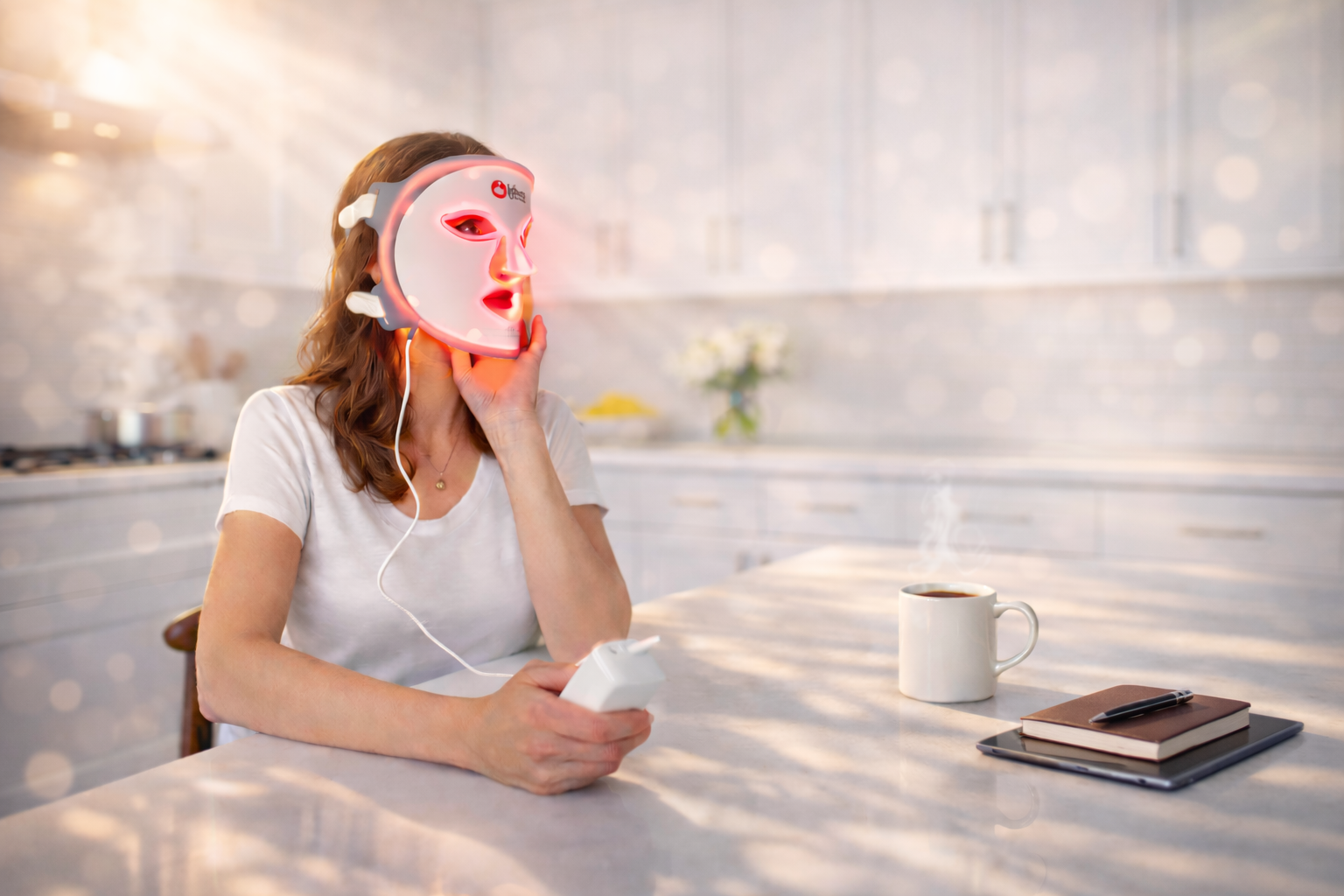
The location where you apply red light therapy significantly impacts effectiveness. Head-focused devices, such as the Kivo Light Therapy Cap, deliver light directly to the scalp and surrounding tissues where migraines originate. This targeted approach ensures maximum penetration to the neural structures involved in migraine generation, making it more effective than general body light therapy for headache prevention.
Summary
Red and near-infrared light therapy offers a scientifically grounded, non-pharmaceutical approach to migraine management. By enhancing cellular energy production, reducing neuroinflammation, improving blood flow, and supporting neurotransmitter balance, light therapy addresses multiple biological pathways involved in migraine development. When combined with healthy lifestyle practices and delivered through targeted head-focused devices, red light therapy represents a promising option for those seeking to reduce migraine frequency and intensity naturally.