In simple terms...
Light therapy has become increasingly popular for its wide range of health and wellness benefits.
Skin Health & Anti-Aging: Red light stimulates collagen production, reducing the appearance of fine lines and wrinkles. It can improve skin texture, reduce redness, and promote a more youthful, radiant complexion.
Muscle Recovery & Performance: Athletes and fitness enthusiasts use red light therapy to accelerate muscle recovery, reduce soreness, and improve athletic performance. It increases blood flow and reduces inflammation in muscles and joints.
Pain Relief: Red light penetrates deep into tissues to reduce inflammation and ease chronic pain conditions, including arthritis, back pain, and joint discomfort.
Wound Healing: By promoting cellular repair and increasing blood circulation, red light therapy can speed up the healing process for cuts, wounds, and surgical recovery.
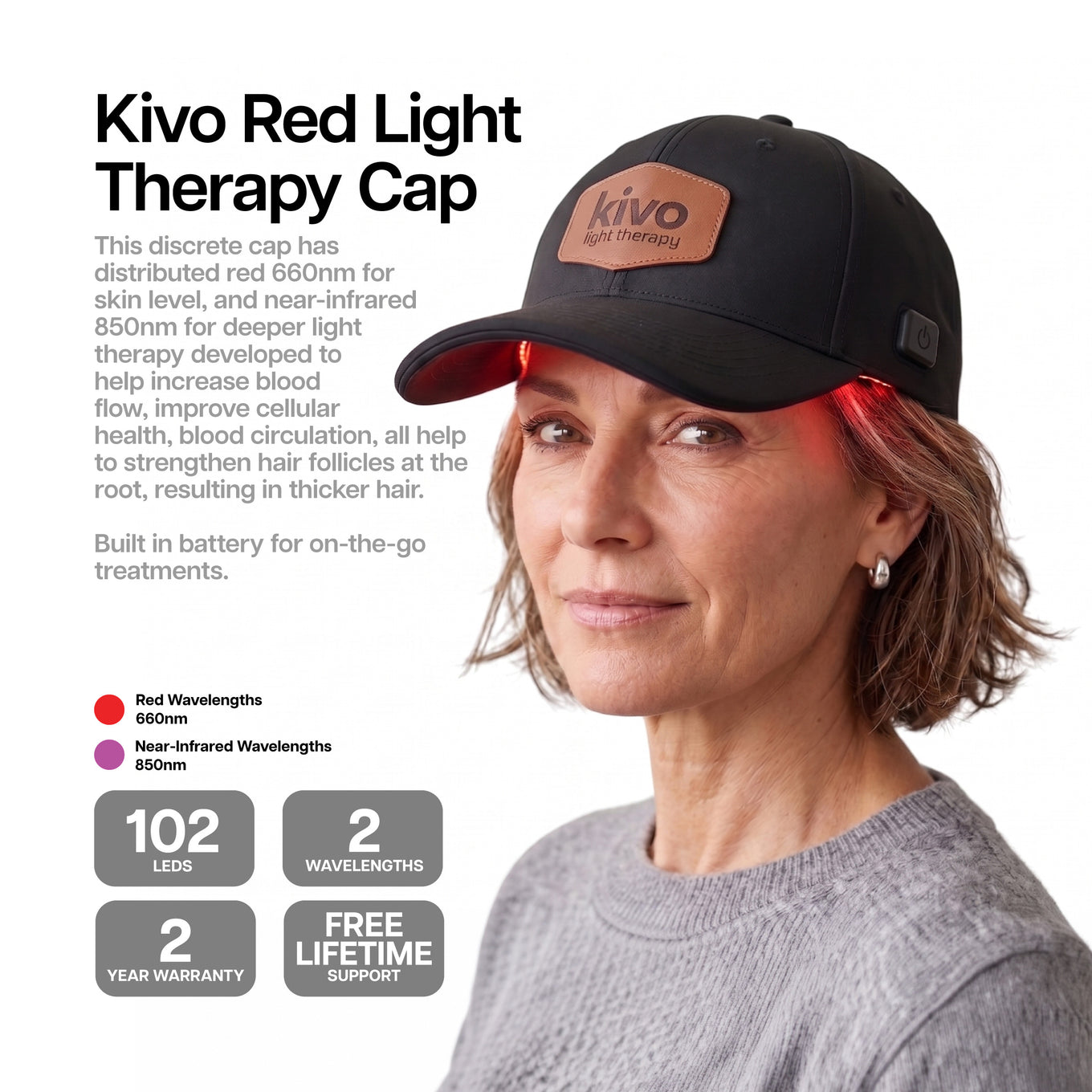
Hair Growth: Red light therapy can stimulate hair follicles and improve hair thickness and growth, making it a natural option for those experiencing hair loss.
Mood & Mental Health: Similar to other light therapies.. blue, red, and near-infrared light can help improve mood, reduce symptoms of seasonal affective disorder (SAD), and support overall mental well-being.
Circulation & Cardiovascular Health: Red light therapy improves blood flow and oxygen delivery throughout the body, supporting better cardiovascular health and overall vitality.
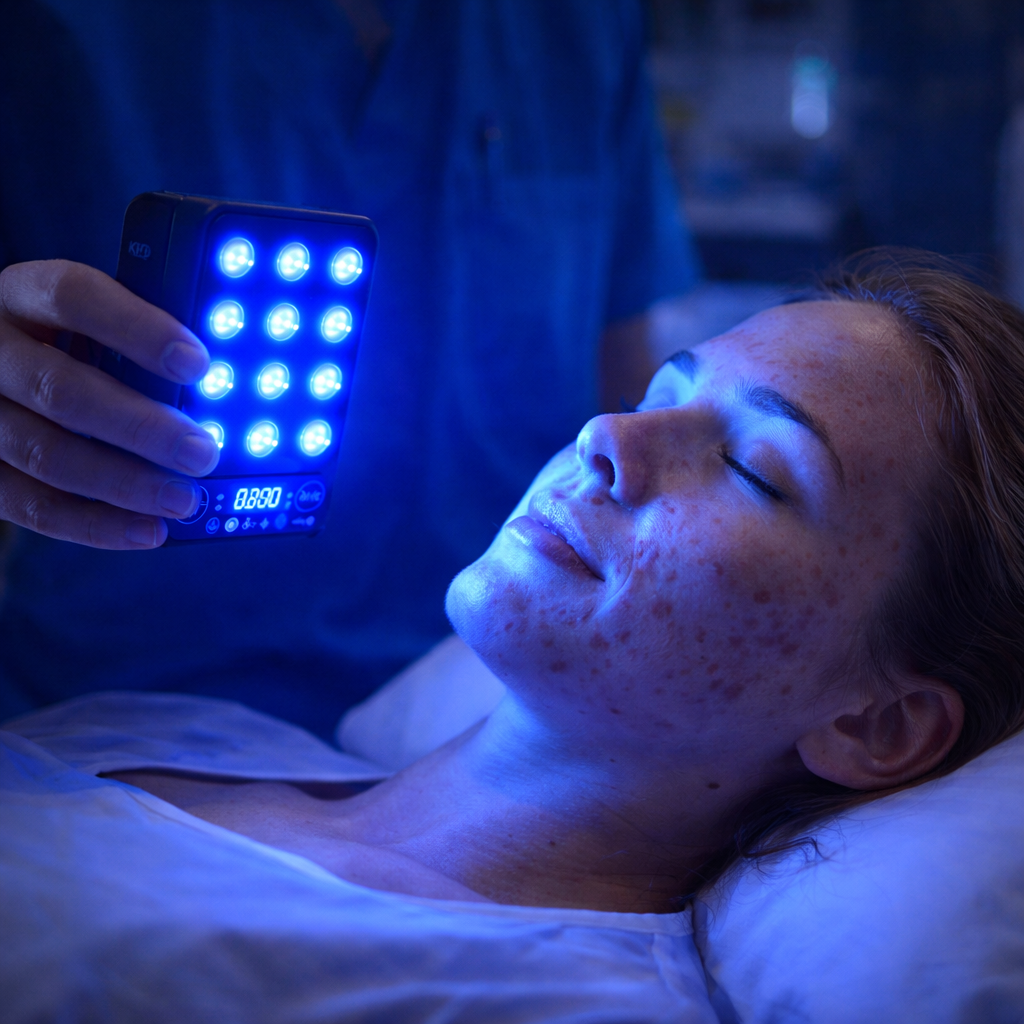
Acne & Spots: Blue light therapy has been shown to stop the cycle by killing the bacteria underneath the surface of the skin, and coupled with red light helps your skin to heal.
Light Therapy works at a cellular level

Blue Wavelengths (460nm - 490nm)
Blue light stays right at the surface of the skin. It helps by slowing down tiny bacteria that can cause breakouts and skin problems. Because it doesn’t go very deep, it’s mostly used for skin care and not muscles or joints.

Yellow Wavelengths (570nm - 600nm)
Yellow light goes a little deeper into the skin. It helps calm the skin, supports blood flow, and can help skin look healthier and more even. Think of it as a gentle helper that supports the skin’s natural repair process.

Red Wavelengths (630-680nm)
Red light travels deeper into the body, reaching muscles and soft tissue. Inside your cells are tiny power plants called mitochondria. Red light helps them make more energy, which can support healing, reduce soreness, and help muscles recover after activity.

Near-Infrared Wavelengths (850nm - 1000nm)
Near-infrared light goes the deepest of all. You can’t see it, but your body can feel its effects. It reaches joints, bones, and deep tissue, helping cells work better, improving circulation, and supporting comfort and movement.
How to get the right Light Wavelengths?
Getting the right wavelengths, for the right time, and the right power level is essential for your Light Therapy journey. Not all panels and masks are built the same, Kivo devices are clinically proven with the right wavelengths, adjustable power outputs, timers, and useful features to help you explore Light Therapy in a way that works with you
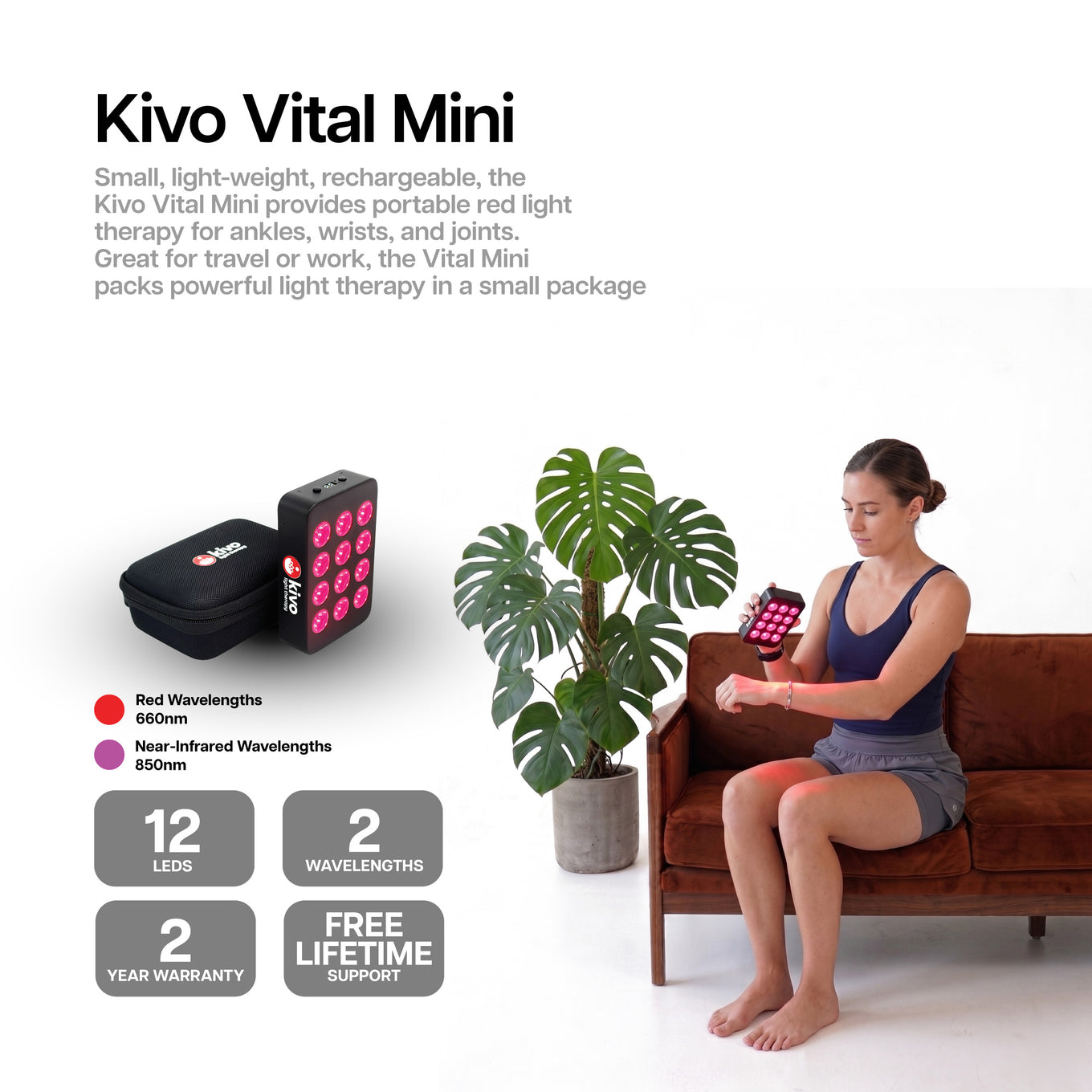
Hand-Held Light Therapy Devices
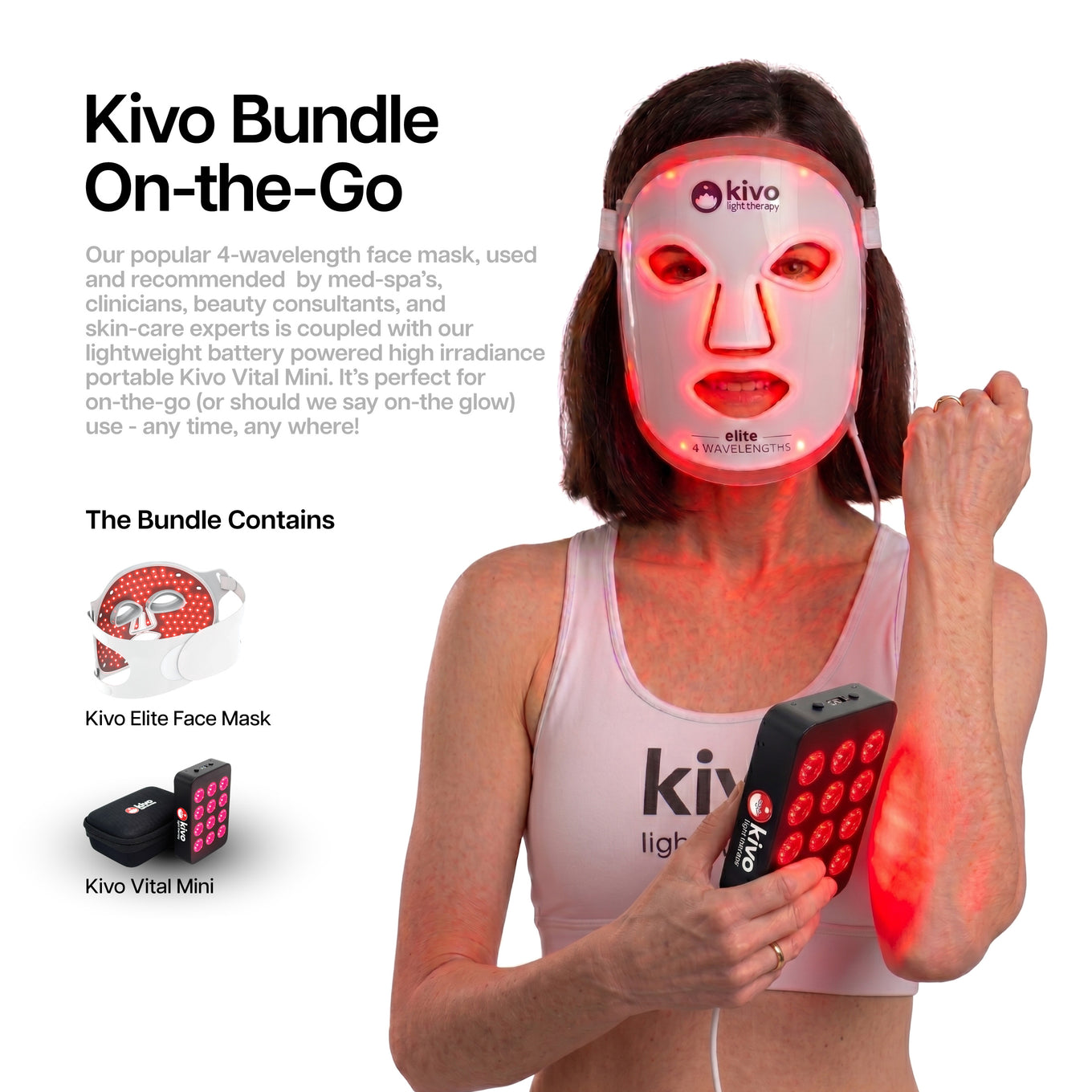
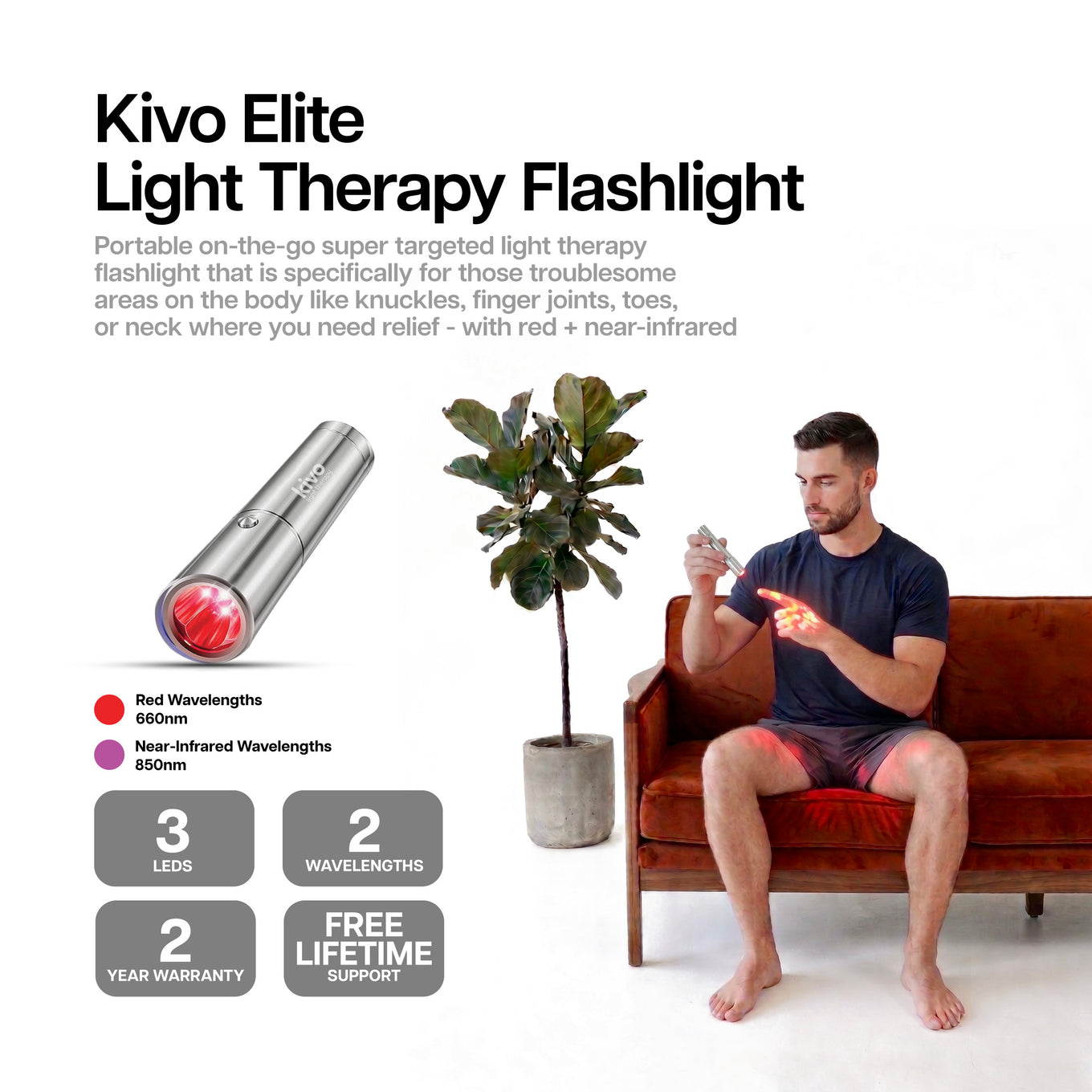
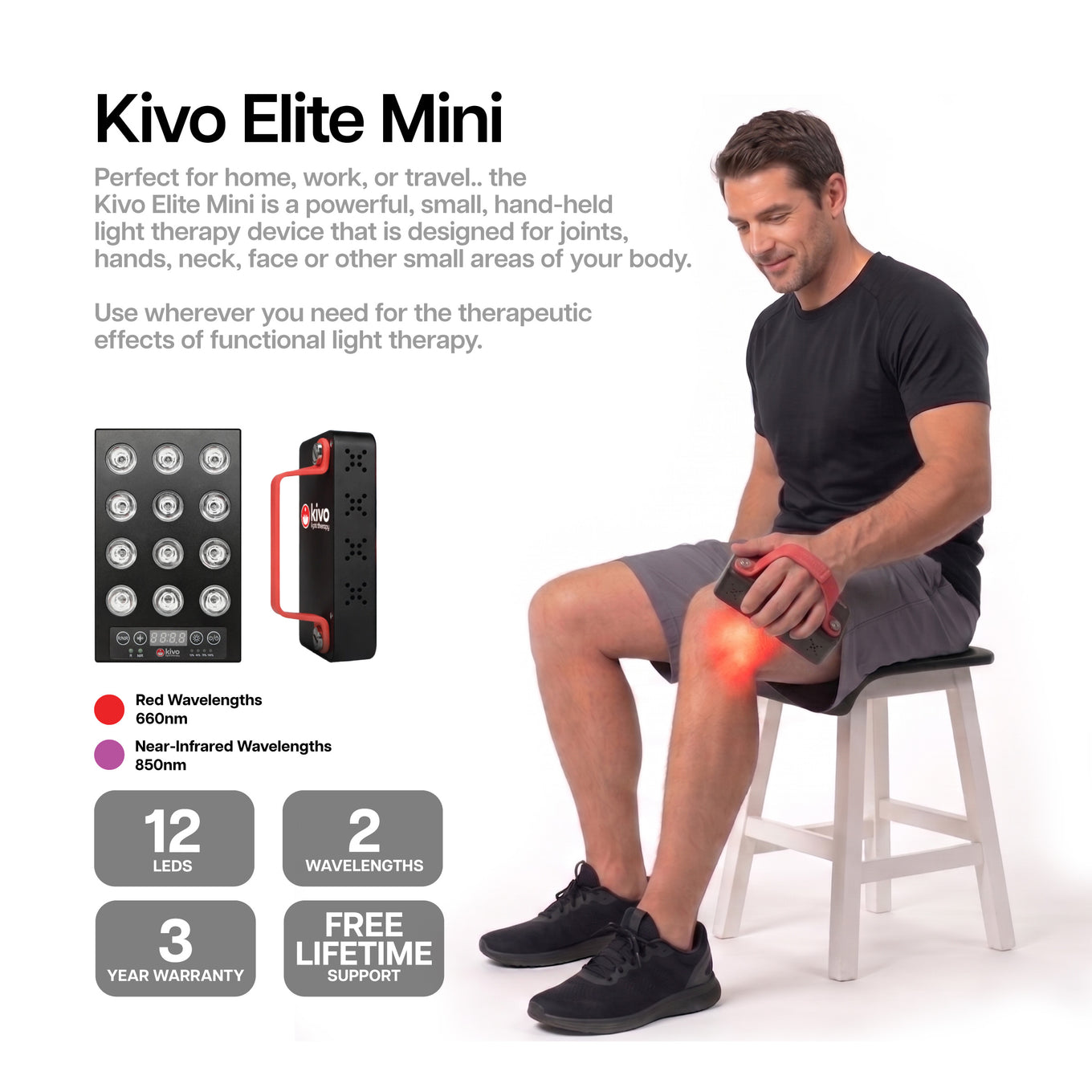
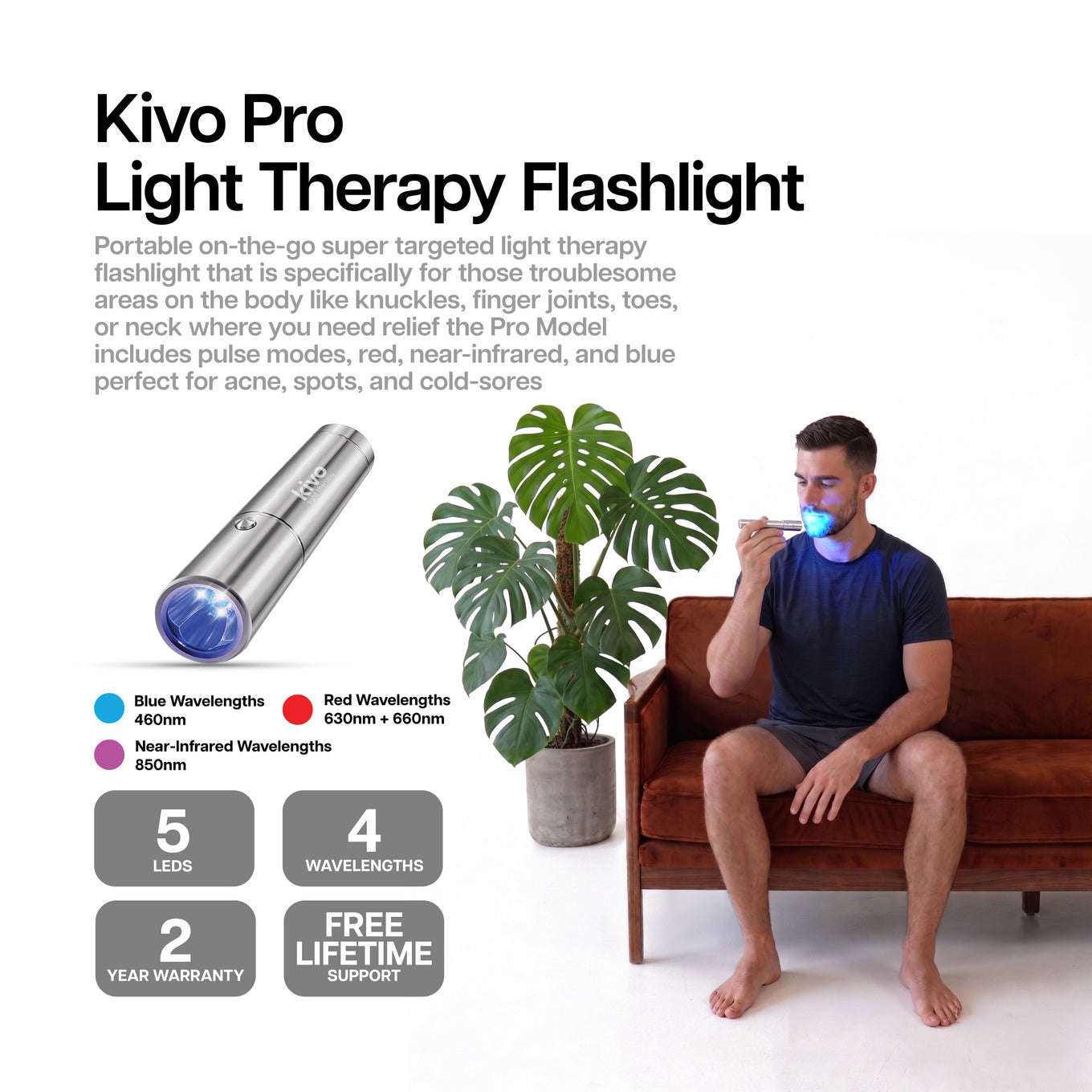
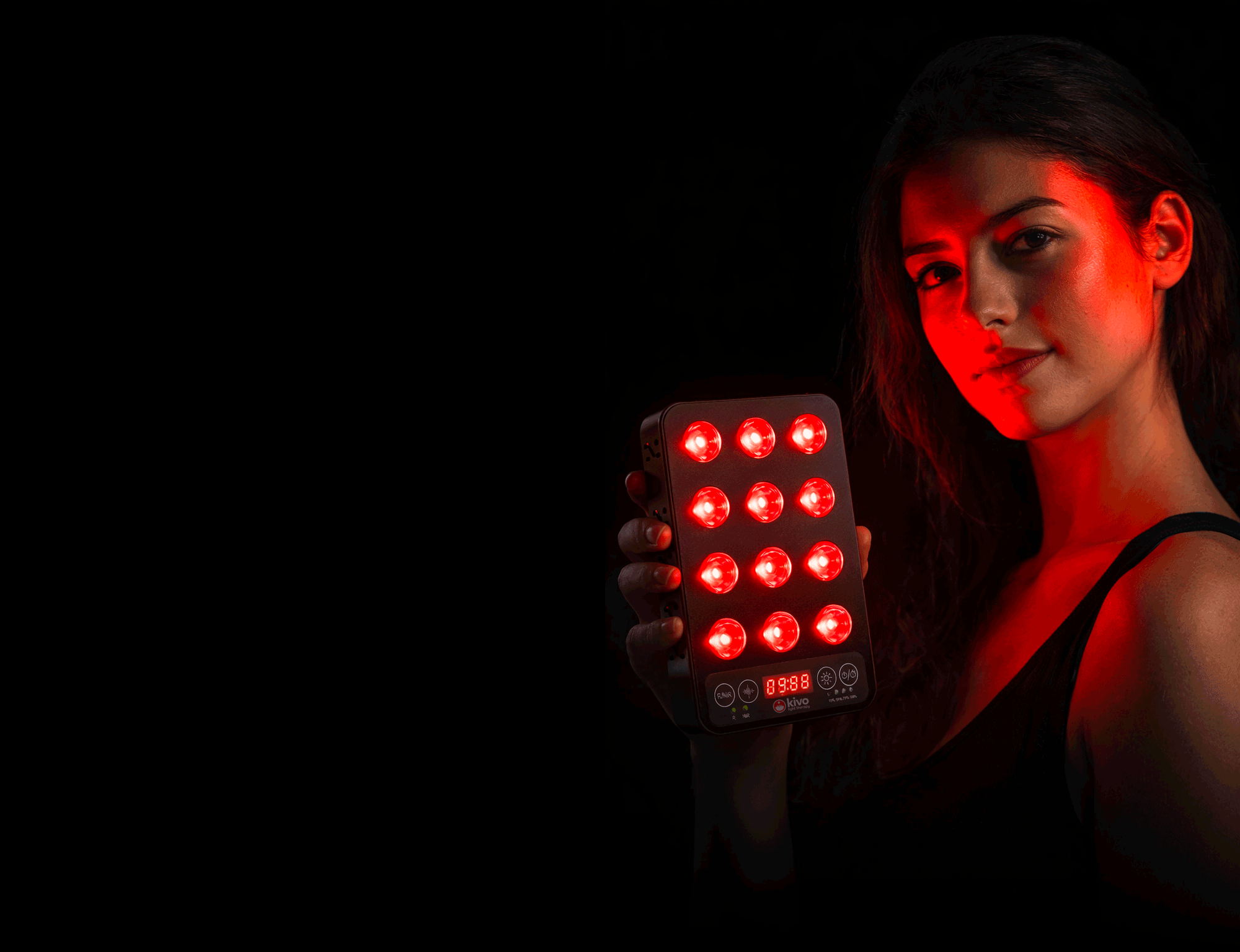
Ideal for travel, work, or occasional home-use Kivo portable small hand-held devices provide great on-the-go Light Therapy. Use with straps, stands, or bases to help target the areas you need. Great for the face, joints, or small targeted areas of the body

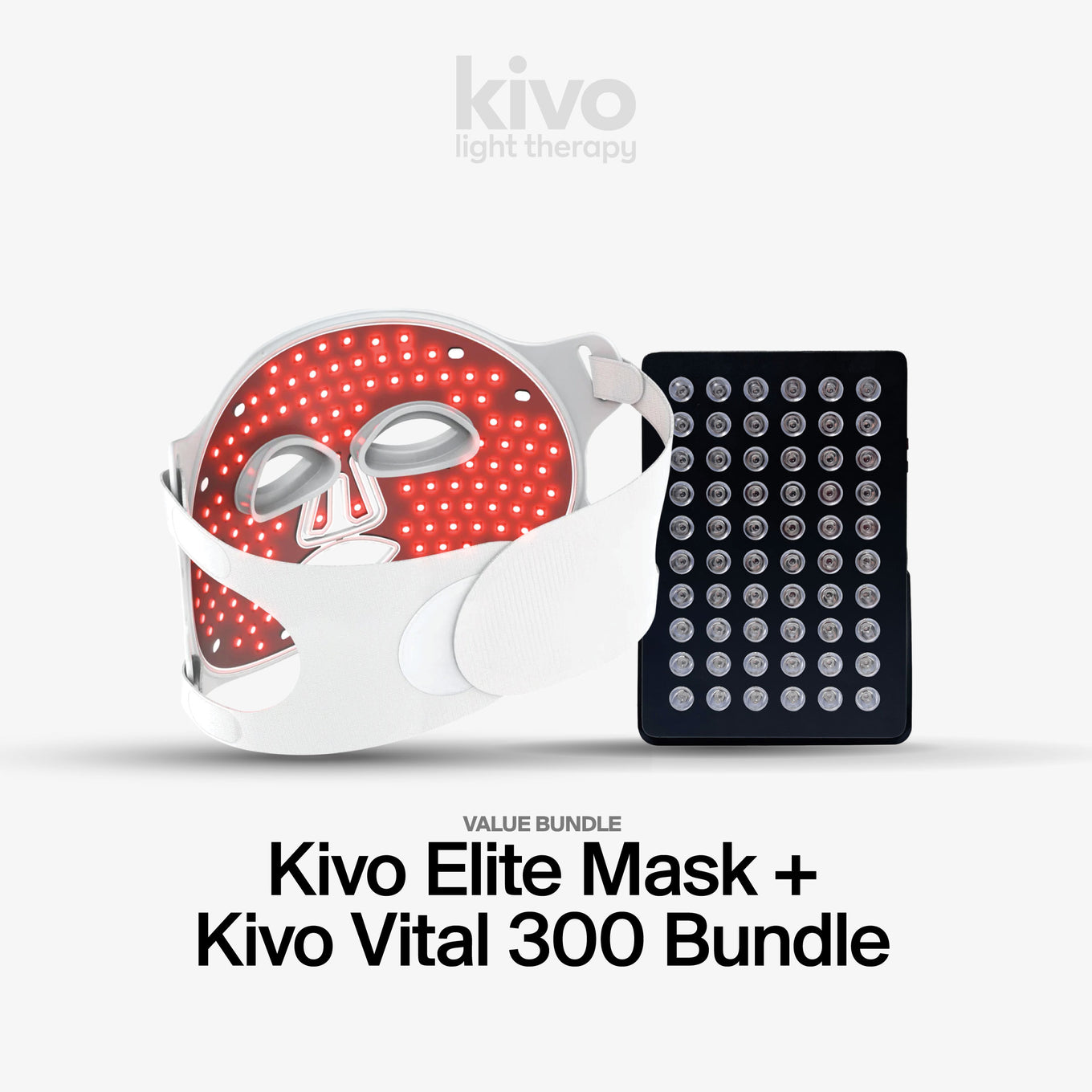
Light Therapy Masks
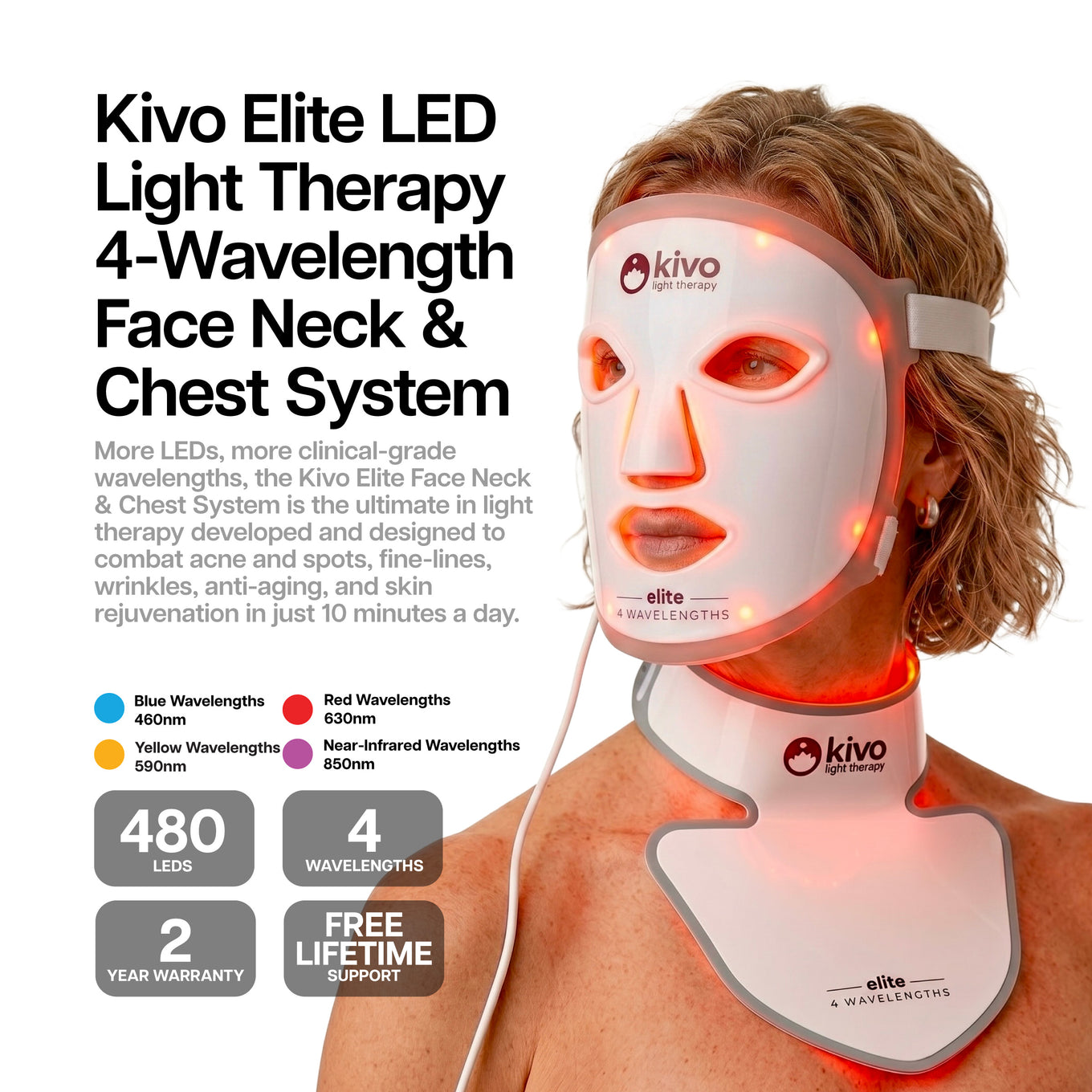
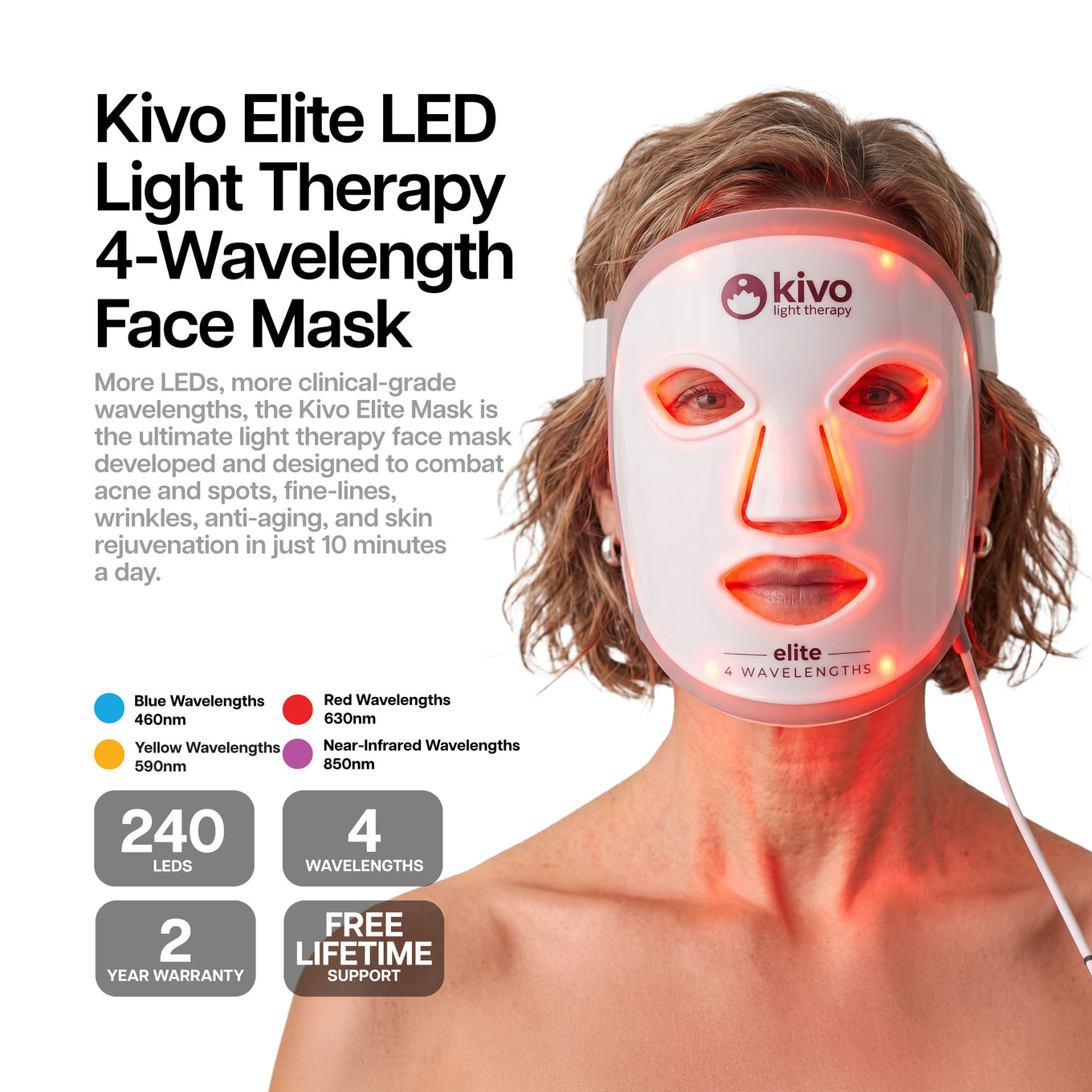
For busy people, Light Therapy masks are great to allow you to multi-task AND get your Light Therapy fix. Battery powered, masks sit close to your face and provide just the right amount of Light Therapy to help you deal with anti-aging, acne and spots, wellness, fine lines, and wrinkles. All in a medical grade silicone mask that is easy to maintain, and use daily.

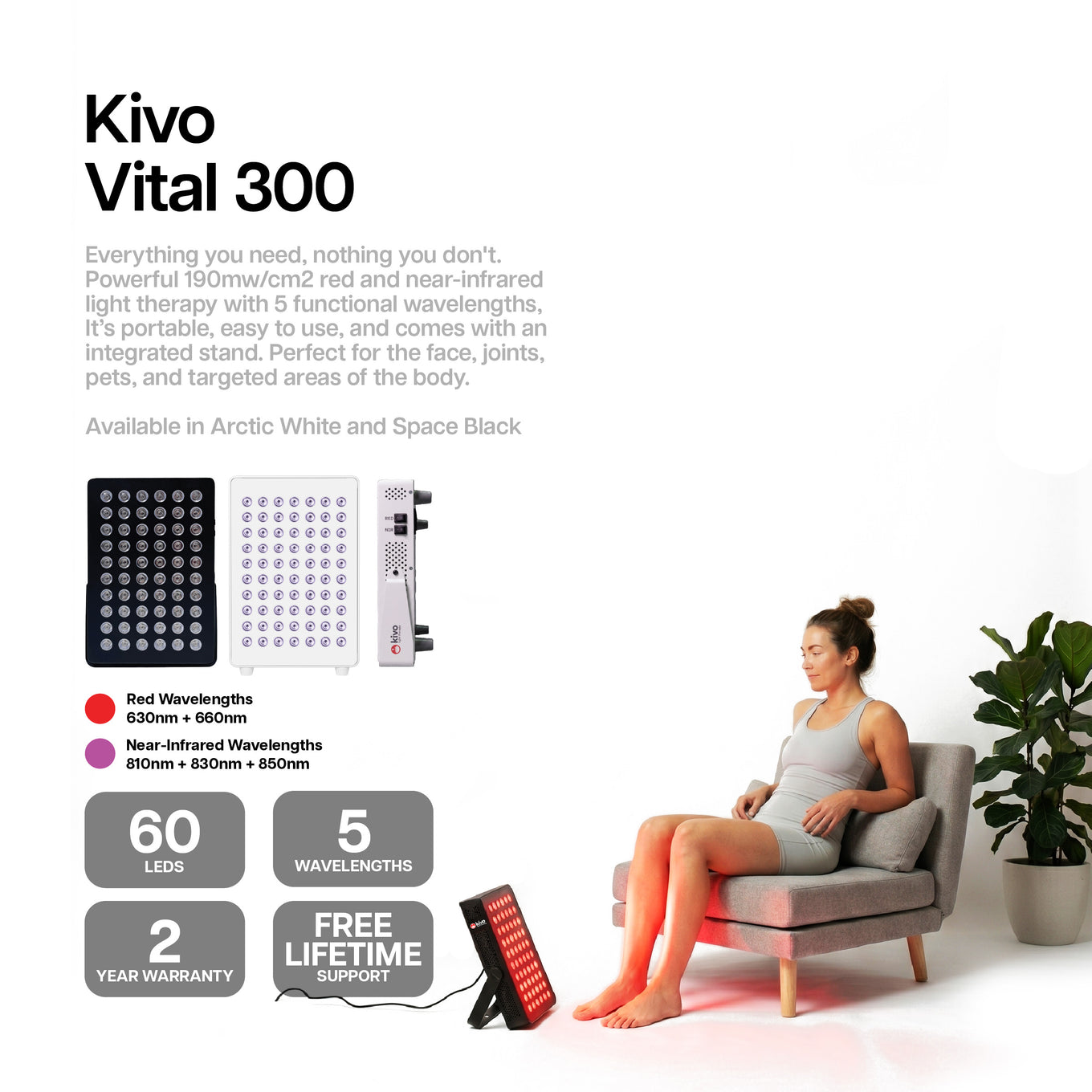
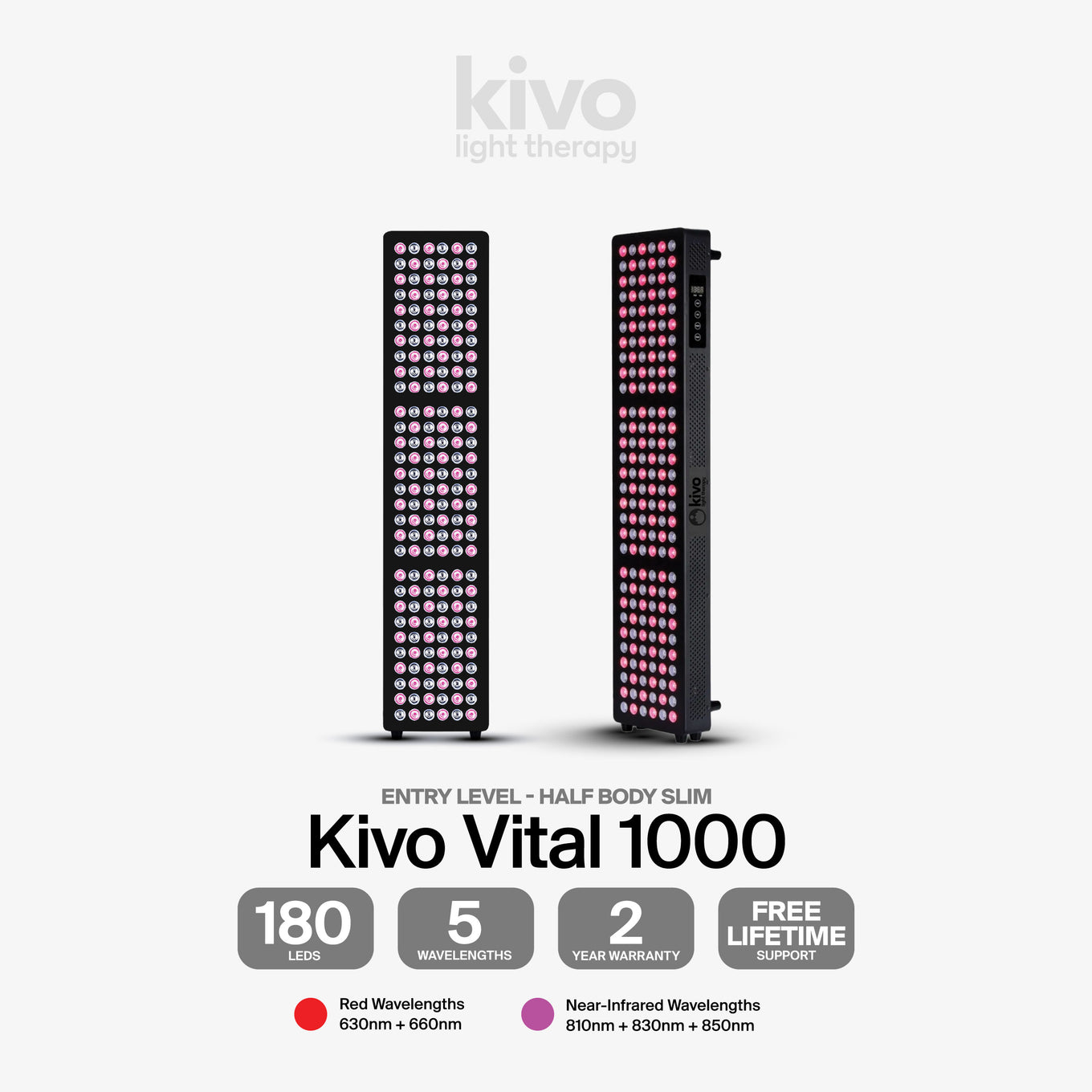
Light Therapy Panels
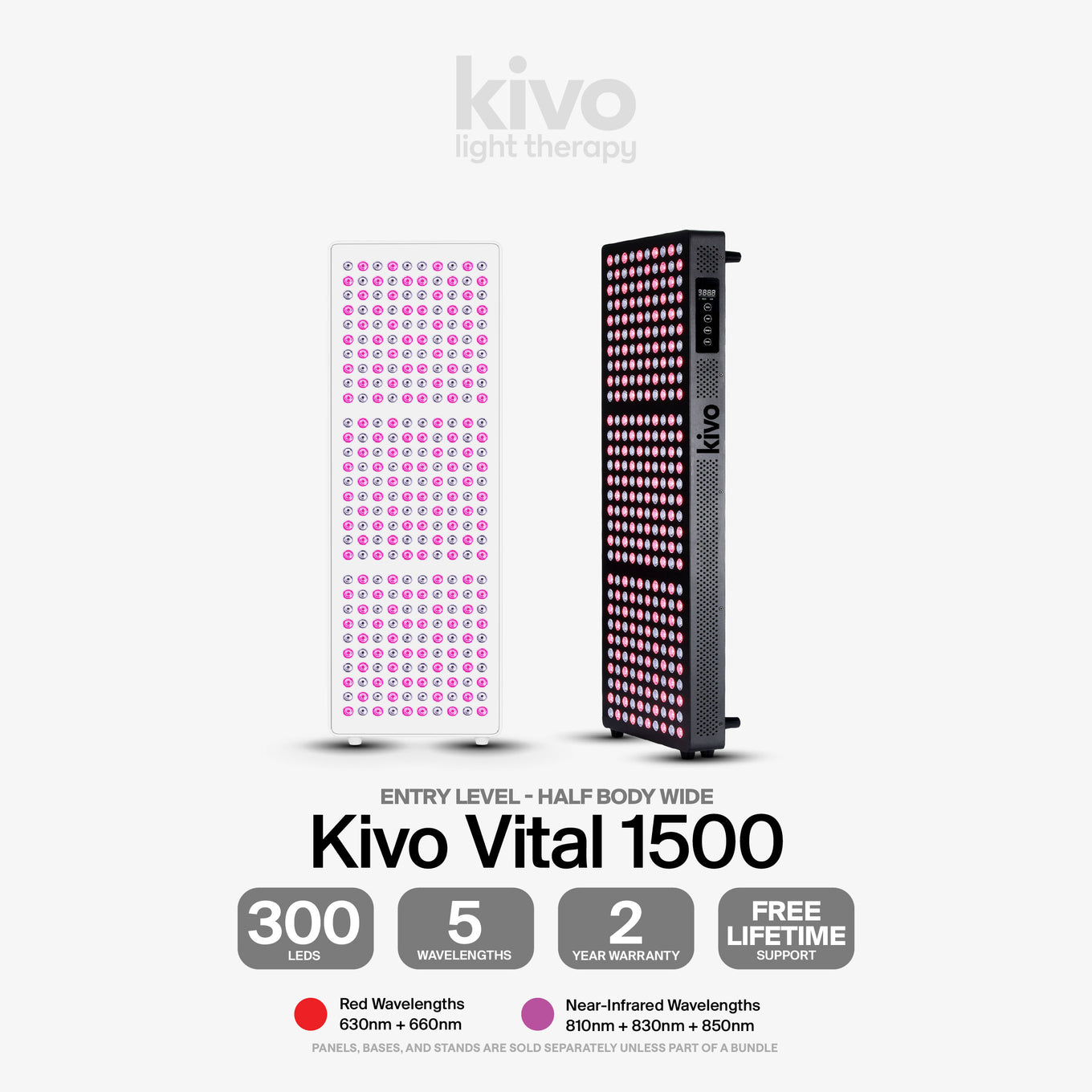
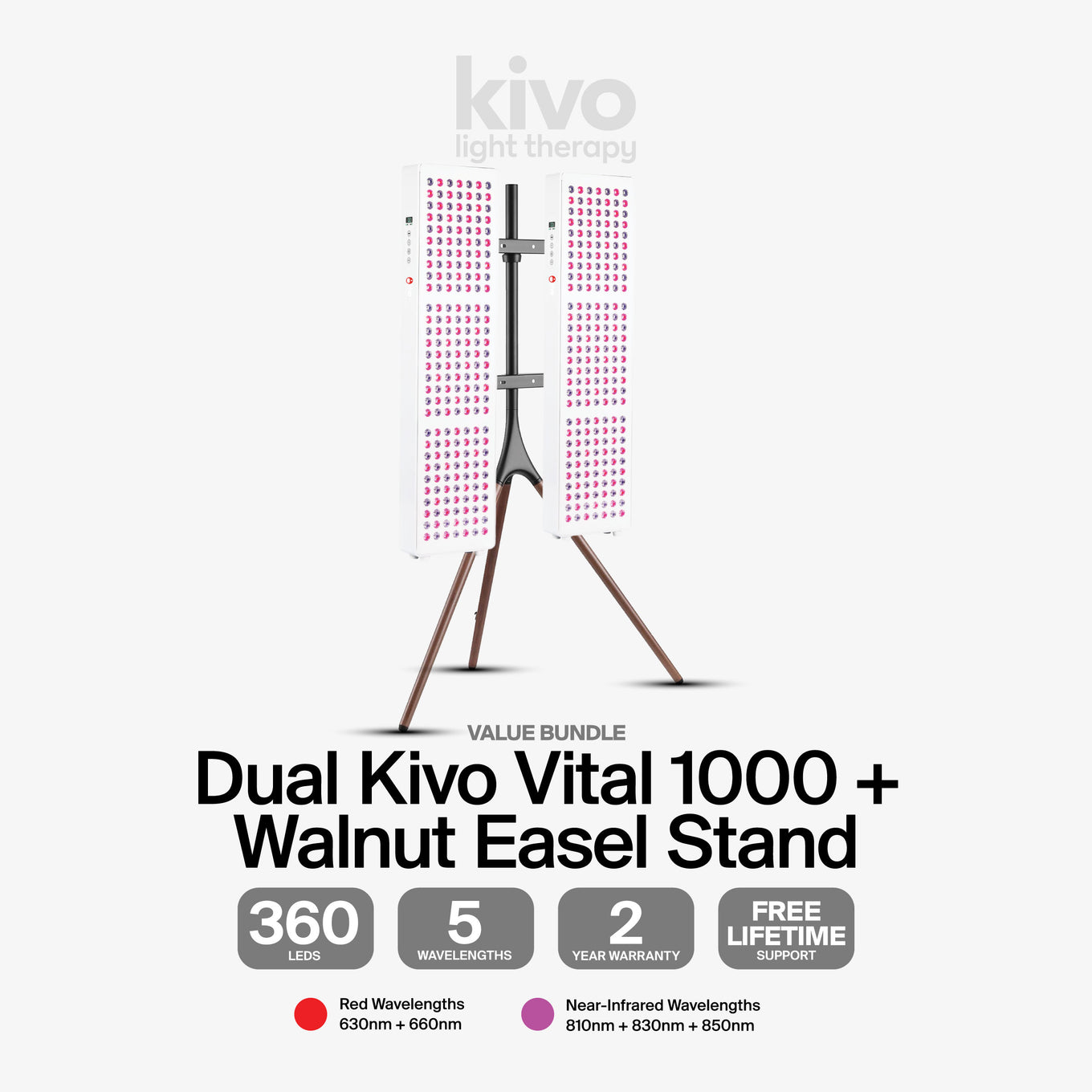
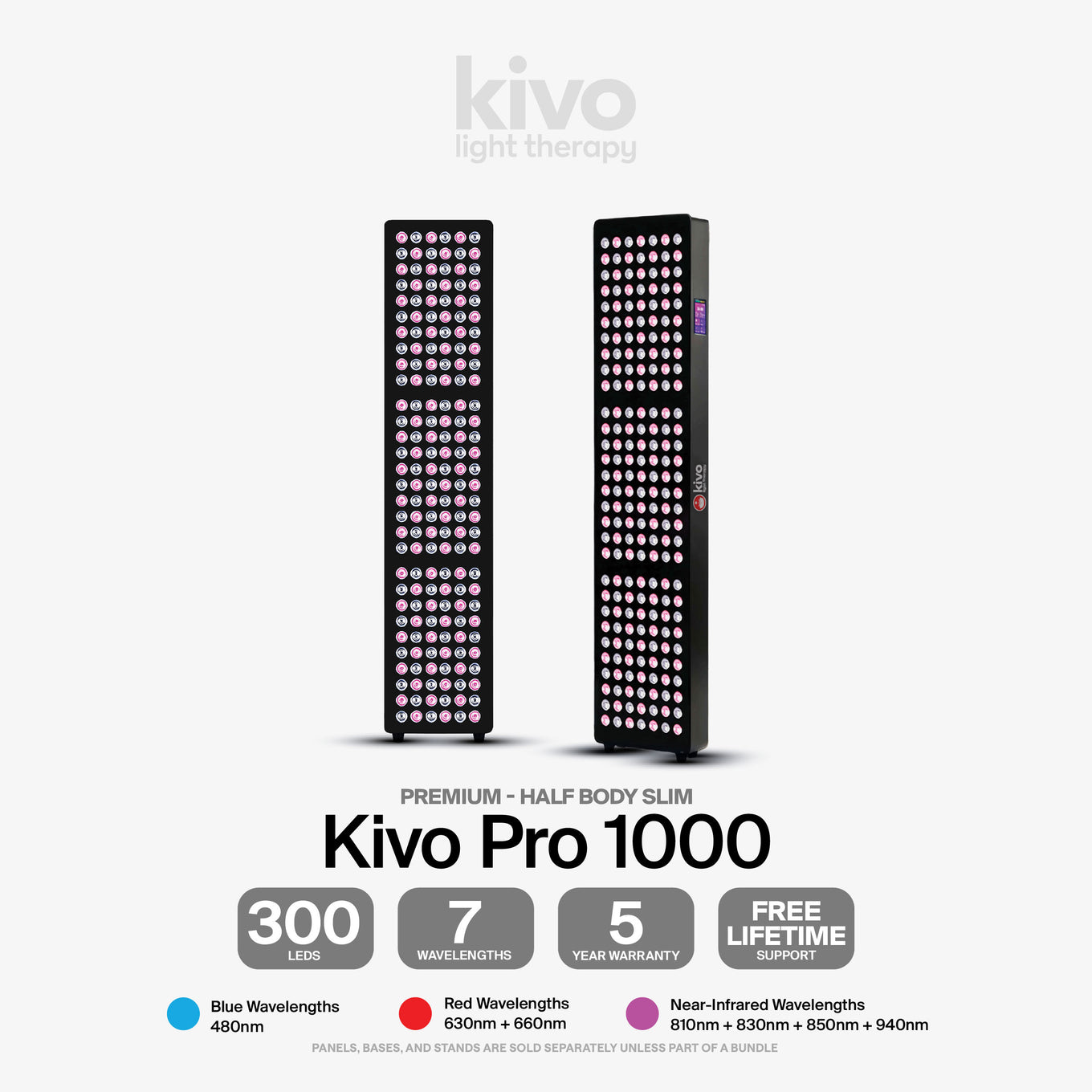
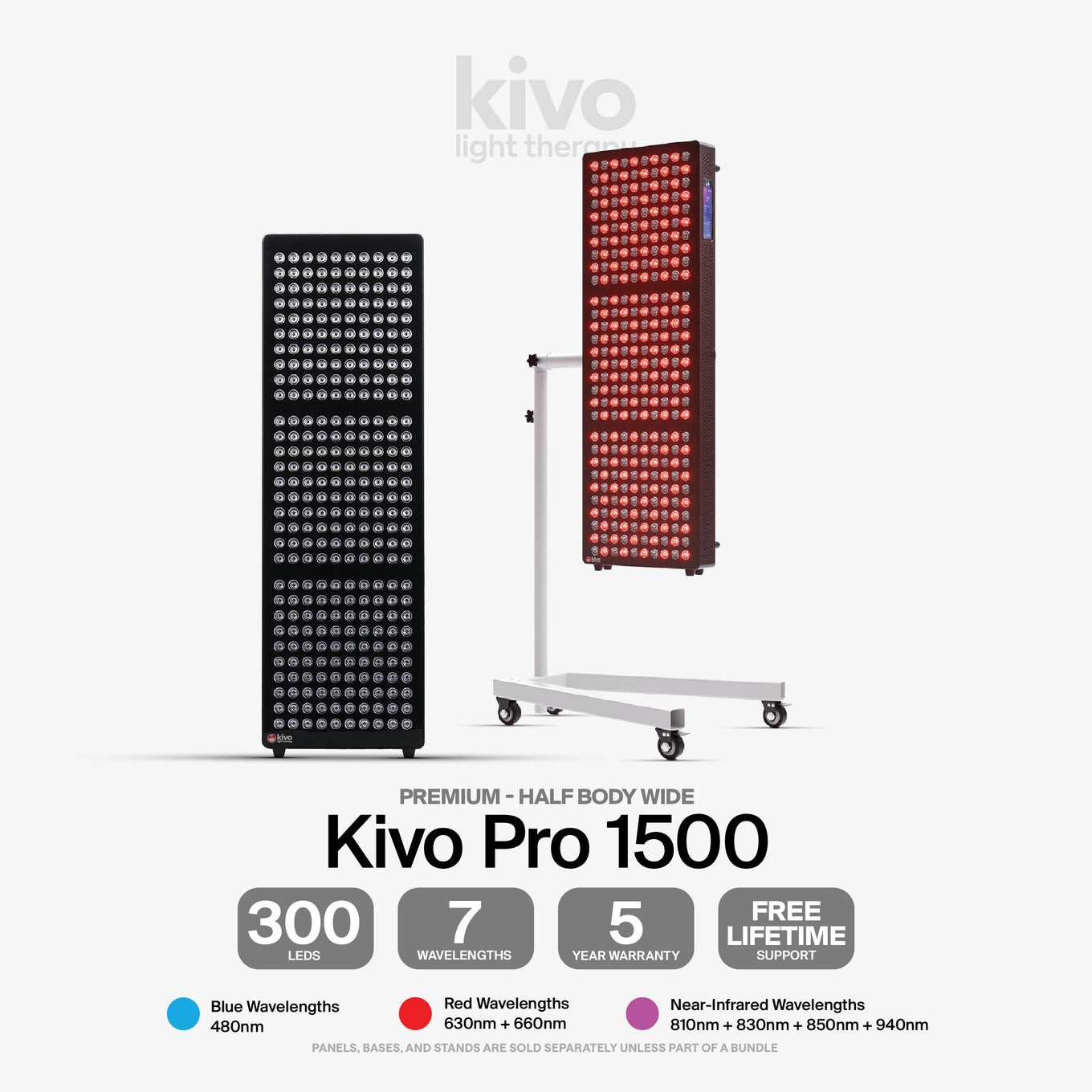
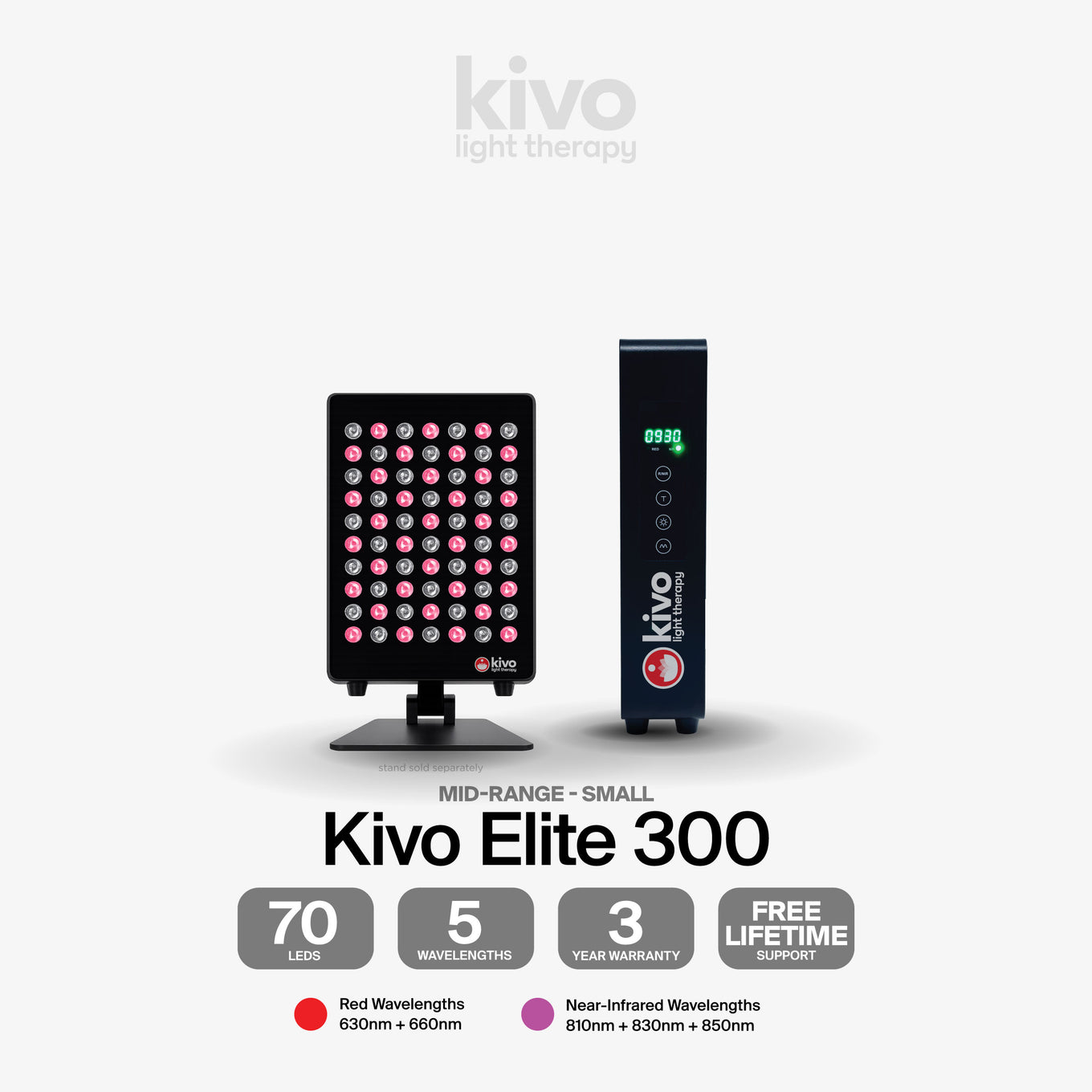
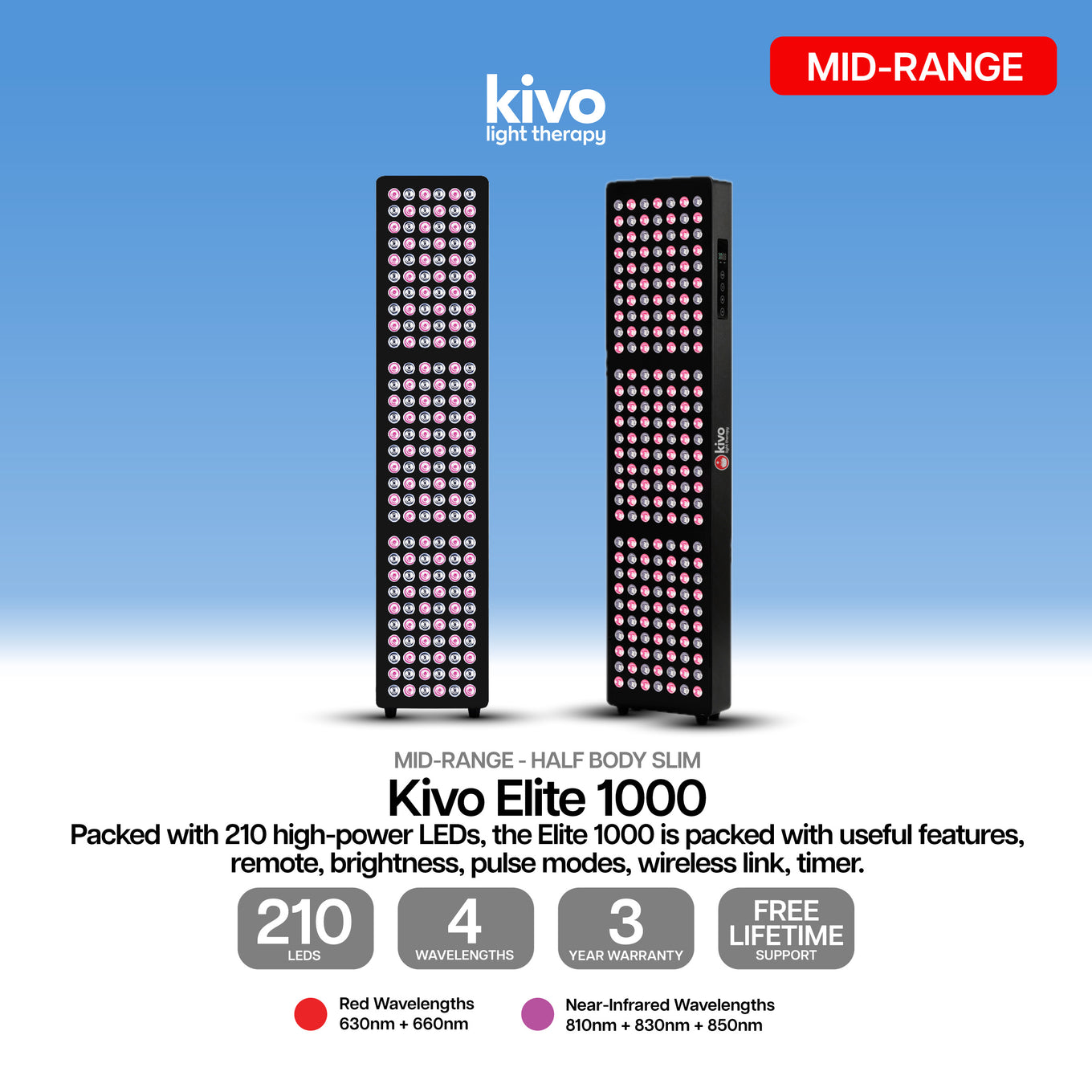
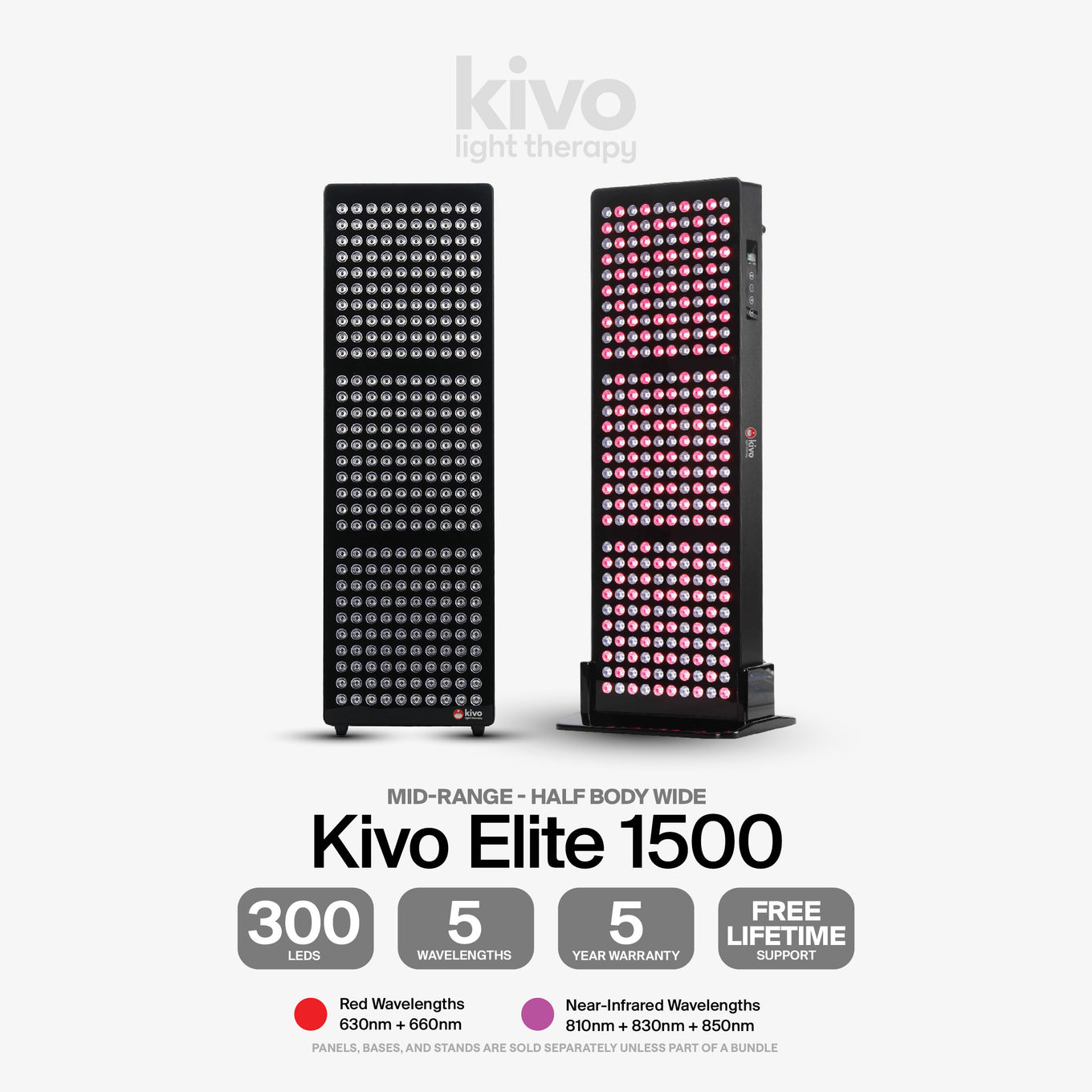
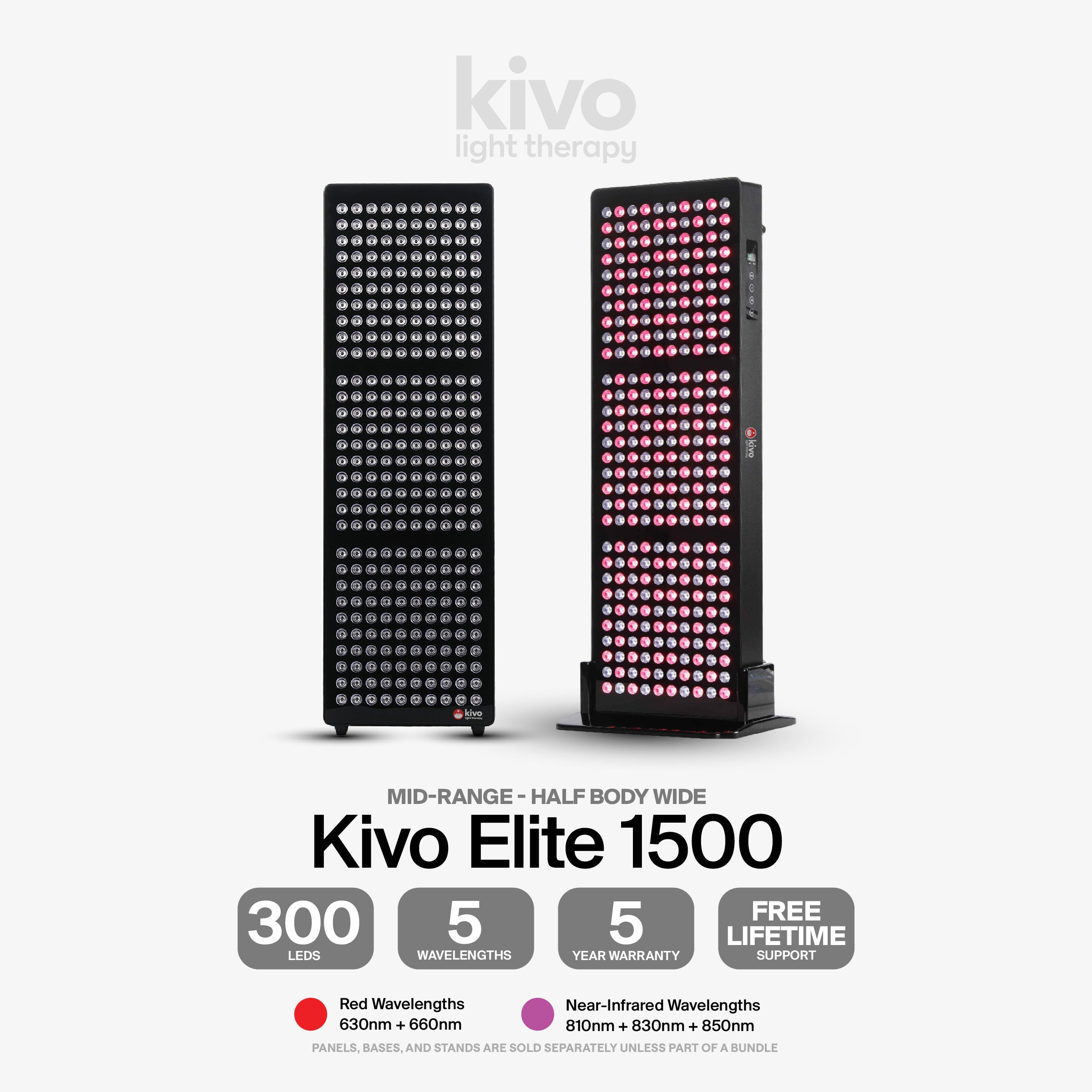
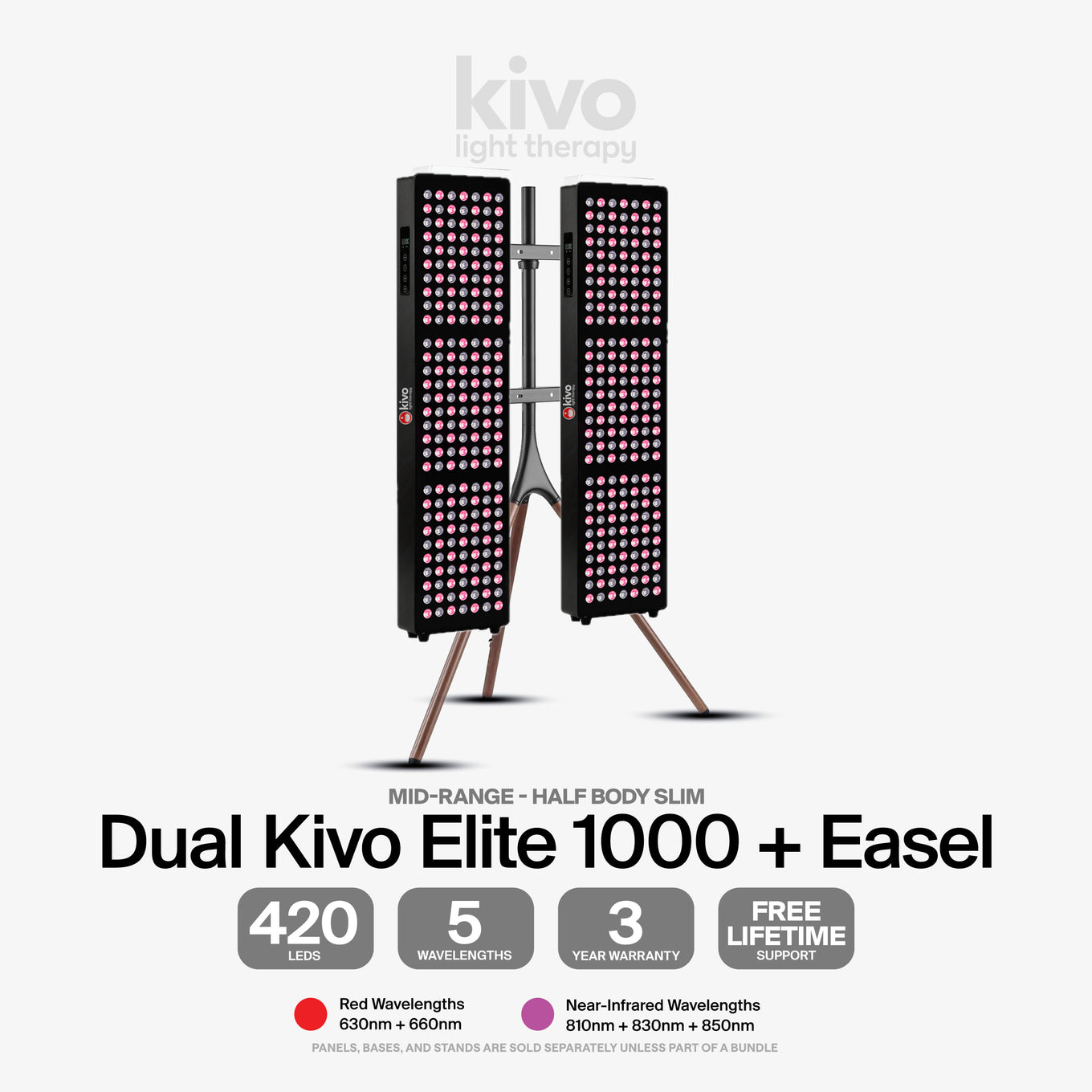
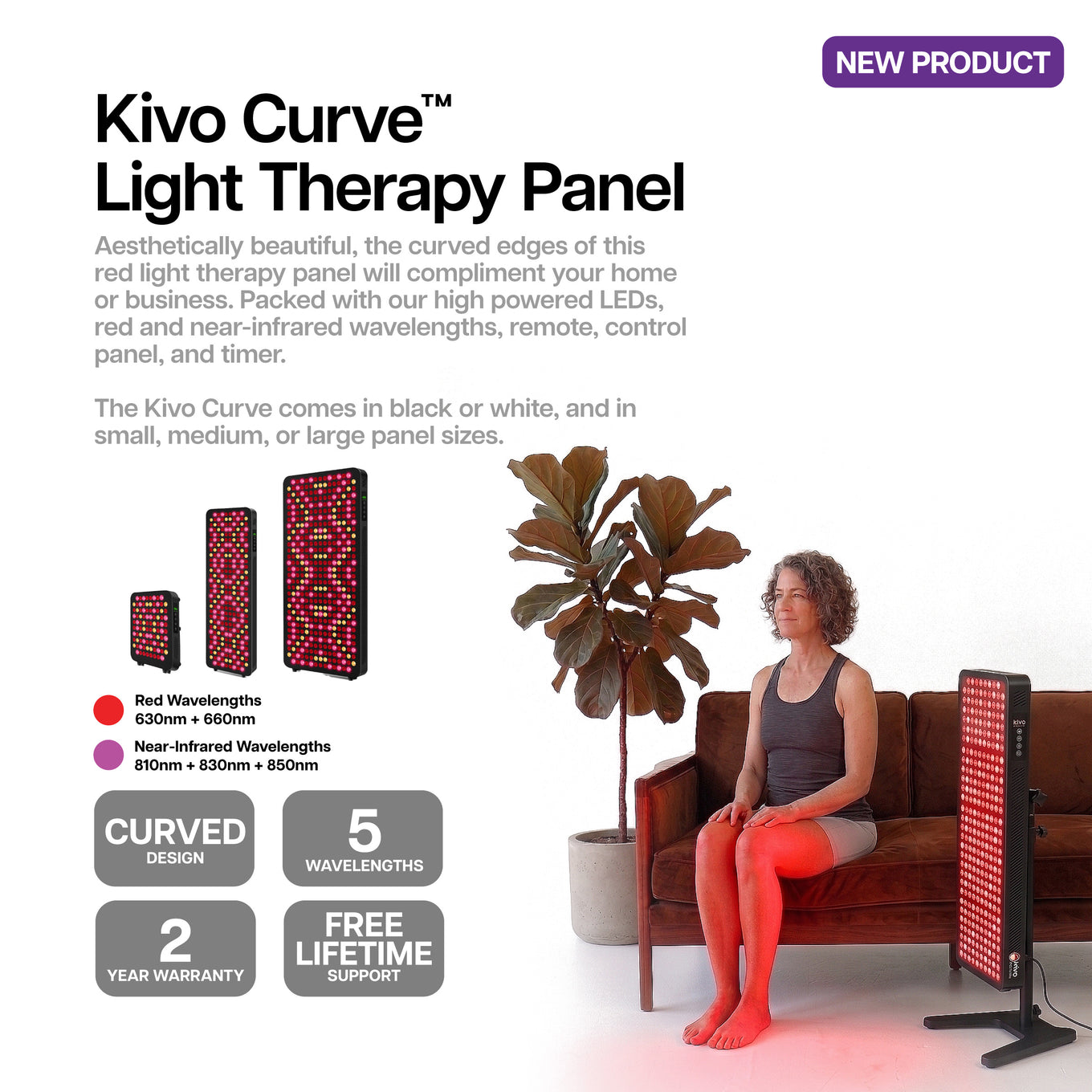
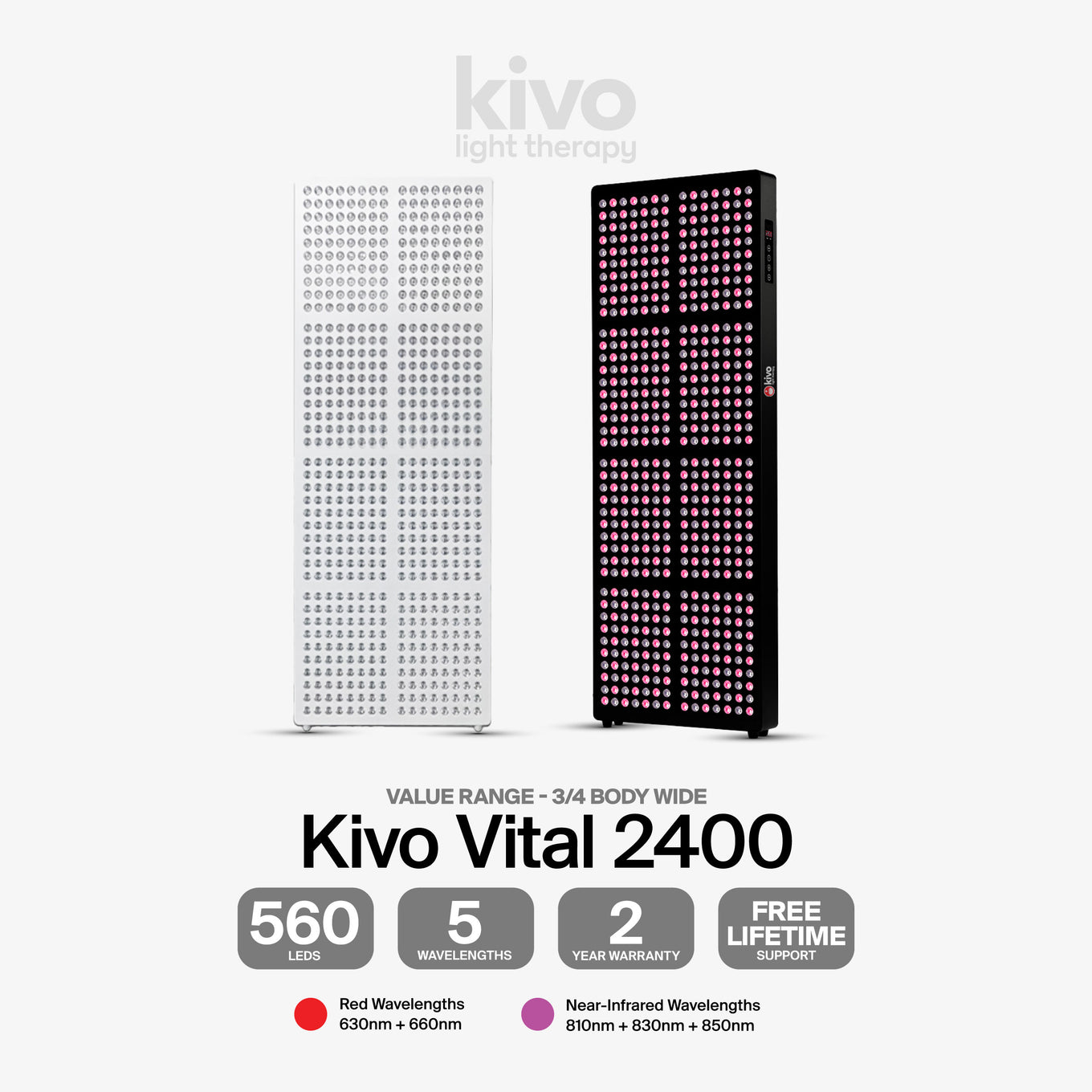
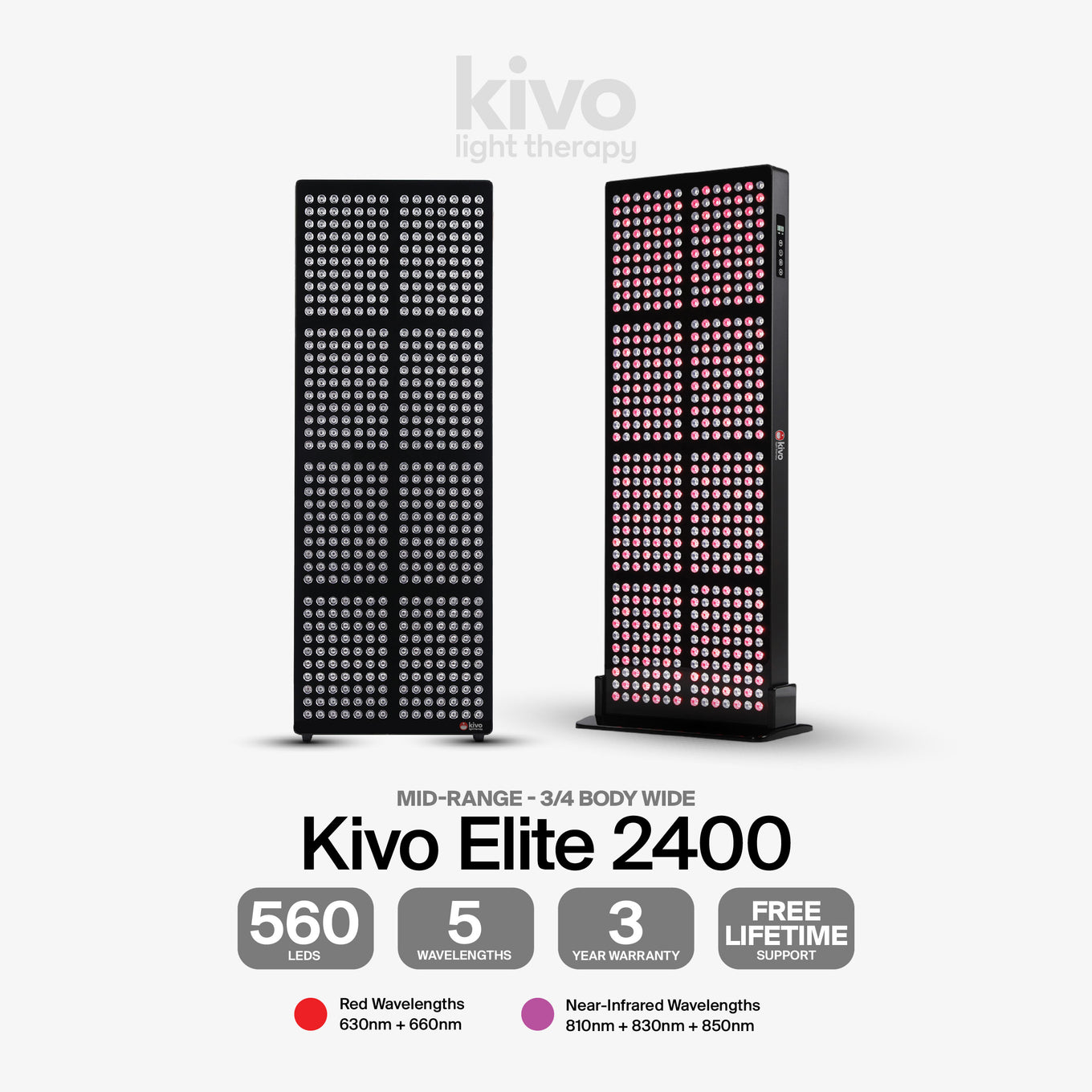
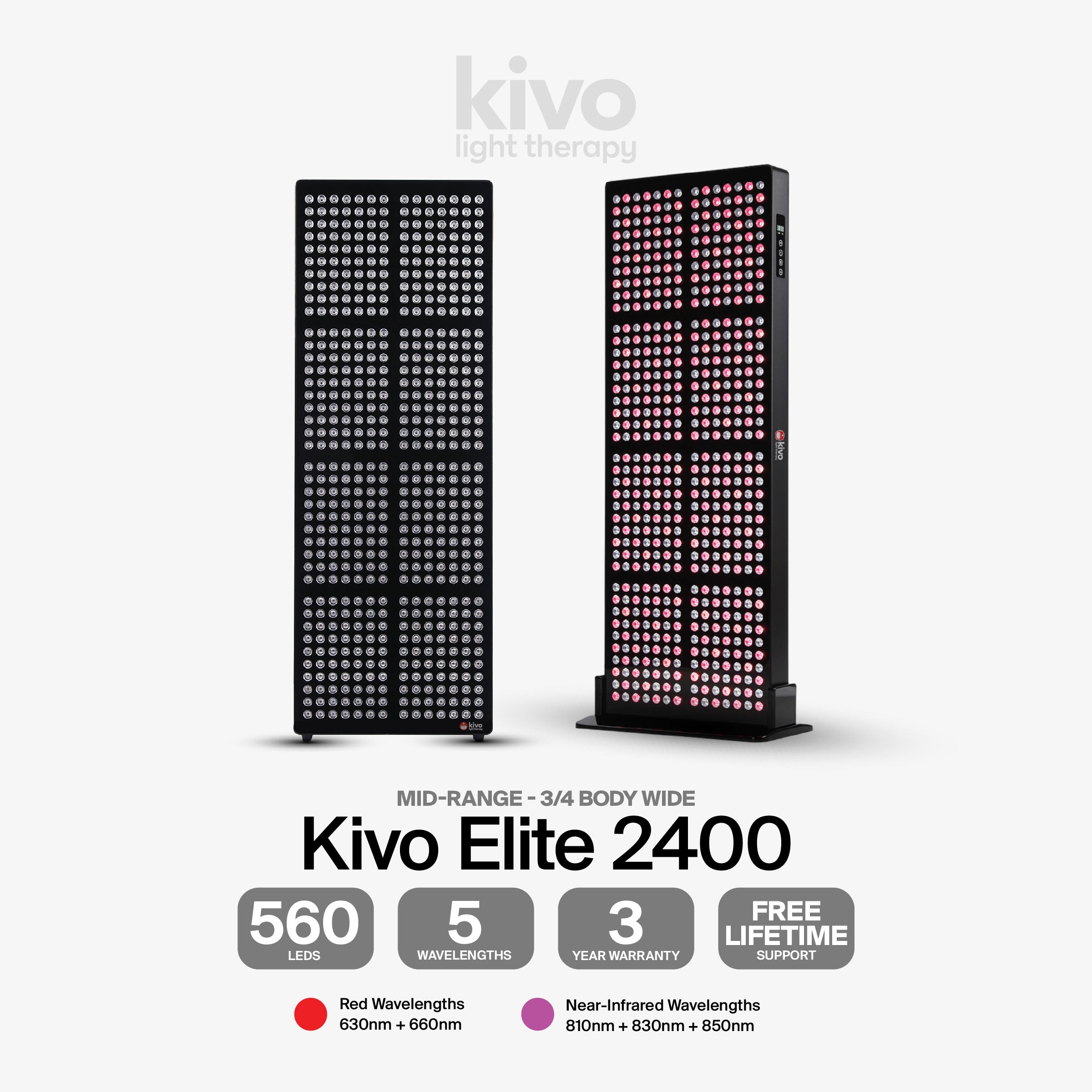
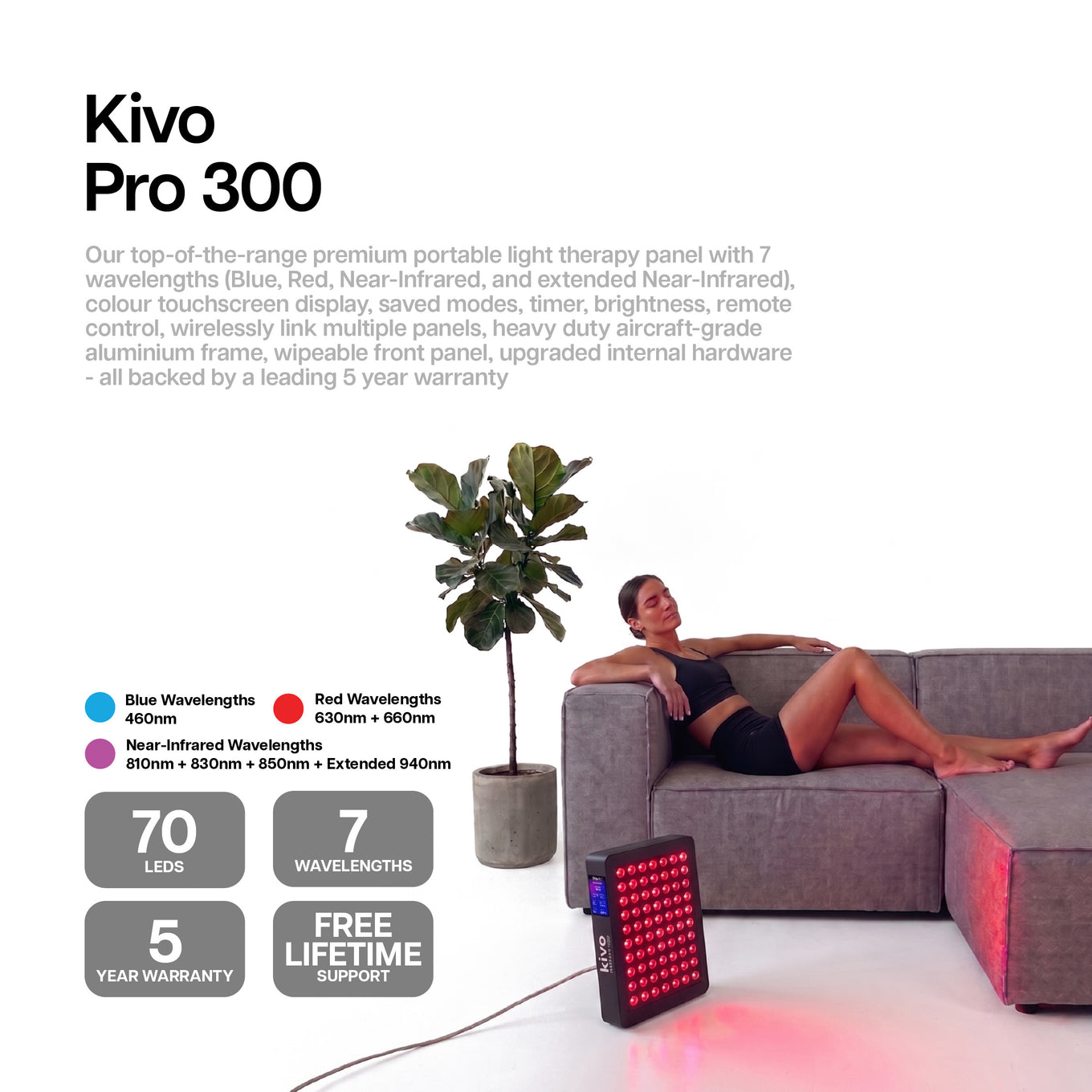
Kivo panels are high power Light Therapy devices with a range of functionality. Whether its our value packed Vital line of panels that are reliable and functional, our Elite panels that are our mid-range that allow you to adjust brightness and pulse modes, or our top of the line Pro panels that touch-screens, blue wavelengths, wireless connectivity, and are the ultimate panel in todays market - all backed by an industry leading 5 year warranty.
Study the Science
Light Therapy isn't new, and has been studied for decades - over 2,000 published studies prove..
Light Therapy is highly effective

Broad Clinical Applications of Light Therapy
A broad review of clinical research shows red/near-infrared light (photobiomodulation) is safe and effective for skin rejuvenation, acne, and hair loss, among other applications

LED Phototherapy for Acne and Skin Care
Meta-analysis shows red and blue LED lights significantly reduce acne symptoms and suggest effectiveness in dermatologic applications including improved skin healing.

Clinical study to evaluate the efficacy and safety of home LED & IRED phototherapies
16-week LED and near-infrared therapy significantly improved wrinkle grading and skin appearance compared with control, supporting safety and effectiveness for skin rejuvenation.

Safety of light-emitting diode-red light on human skin
LED red light is safe at clinically relevant doses and has beneficial effects on skin physiology including wound healing and hair regrowth.

Photobiomodulation in human muscle tissue
Clinical trials show red/NIR light stimulation improves muscle performance, increases ATP production, and reduces inflammation and muscle damage after exercise.

Effectiveness of LED Light Therapy for Sleep Problems
A randomized controlled trial found low-level red and near-infrared LED therapy improved sleep quality and reduced depression, anxiety, and stress among shift-work nurses.

Effects of Near-Infrared Light on Well-Being and Health
A clinical study found that consistent near-infrared photobiomodulation improved mood and subjective well-being in healthy adults, particularly during low sunlight periods.

Effectiveness of Using LED Light Therapy on Acne
LED light therapy (blue, red, and NIR) significantly reduced acne severity, reduced inflammation and sebum, and improved skin hydration and scar volume.
Give me more Science...
What is Light Therapy and how does it work with your body?
Red light therapy (RLT), also known as photobiomodulation, works primarily by "charging" your cells at a molecular level. The process centers on the relationship between specific wavelengths of light and the engine of your cells: the mitochondria.
The Biological Mechanism
At the heart of this process is a specific enzyme within the mitochondria called Cytochrome c Oxidase (CCO). This enzyme is part of the electron transport chain, which is responsible for creating cellular energy.
1. Light Absorption
When you expose your skin to red (600nm - 700nm) or near-infrared (850nm+) light, the photons penetrate the tissue and are absorbed by CCO. Think of CCO as a tiny solar panel inside your cells that is tuned specifically to these wavelengths.
2. The Nitric Oxide "Plug"
In stressed or aging cells, Nitric Oxide (NO) often binds to CCO. This is problematic because NO competes with oxygen. When NO is stuck to the enzyme, it effectively "plugs" the engine, slowing down the production of energy and increasing oxidative stress.
3. Dissociation and Oxygen Flow
The energy from the red light photons causes the Nitric Oxide to detach from the Cytochrome c Oxidase. Once the "plug" is removed, oxygen can bind to the enzyme freely again.
The Production of ATP
With the blockage cleared, the mitochondria can resume their primary function more efficiently. This leads to a significant boost in the production of Adenosine Triphosphate (ATP)
-
What is ATP? It is the universal energy currency of the body. Every muscle contraction, thought, and healing process requires ATP.
-
The Result: By increasing ATP, RLT provides the cell with the surplus energy it needs to repair damage, reduce inflammation, and replicate faster.
C10H16N5O13P3 (ATP)+H2O→ADP+Pi+Energy
Secondary Benefits: Hormesis
Beyond just ATP, this process triggers a mild form of metabolic stress (hormesis) that activates the cell's antioxidant defense systems. This helps "clean up" the cellular environment, making the mitochondria more resilient to future stress.
Summary of the "Mito-Boost"
| Step | Action | Result |
| Exposure | Red/NIR light hits the cell | Photons reach the mitochondria |
| Activation | CCO absorbs light | Nitric Oxide is released |
| Oxygenation | Oxygen binds to CCO | Electron transport chain speeds up |
| Energy | ATP production spikes | Enhanced cellular repair and function |
To reach the mitochondria effectively, the "dose" (measured in Joules) depends heavily on whether you are targeting the surface or deep tissue.
The core principle in photobiomodulation is the Biphasic Dose Response (the "Goldilocks Rule"): too little light does nothing, but too much can actually inhibit mitochondrial function by causing excessive oxidative stress.
Target Dosage by Body Depth
Clinical research generally suggests the following ranges for a single session:
| Target Area | Primary Wavelength | Recommended Dose (J/cm2) | Purpose |
| Superficial (Skin) | Red (630 - 660nm) | 3 – 15 J/cm² | Wrinkles, acne, surface collagen |
| Moderate (Muscle/Joint) | Near-Infrared (850nm) | 10 – 40 J/cm² | Muscle recovery, inflammation |
| Deep (Bone/Deep Organ) | Near-Infrared (850nm+) | 40 – 70+ J/cm² | Deep pain, bone density, systemic |
Note: Deep tissue requires a higher dose at the skin surface because much of the energy is scattered or absorbed by the layers of fat and blood before it reaches the target mitochondria.
2. The Dosing Formula
If you know your device's irradiance (measured in mW/cm2), you can calculate how many minutes you need to reach your Joule target:
Practical Example:
If your panel provides 50 mW/cm2 at a 6-inch distance and you want a 15 J/cm2 dose for skin health:
-
Multiply Target Joules (15) by 1000 = 15,000.
-
Divide by Irradiance (50) = 300 seconds.
-
Result: 5 minutes.
To easily calculate your specific dosing minutes.. use the Kivo Red Light Dosage Calculator
Distance and Penetration
Distance is the most common reason for "failed" sessions. Because light follows the Inverse Square Law, moving just a few inches back can cut the energy reaching your mitochondria in half.
-
For Mitochondria/ATP (Deep): Keep the device close (3–6 inches). Use Near-Infrared (NIR) as it penetrates up to 2–3 cm deep.
-
For Collagen (Surface): You can stand further away (12–18 inches) to get more uniform coverage, provided you increase your session time to compensate for the drop in irradiance.
Tips for Maximizing Mitochondrial Uptake
-
Clean Skin: Remove skincare products, especially those with zinc or heavy oils, can reflect the light.
-
Hydration: Mitochondria require water to complete the electron transport chain. Being well-hydrated makes the ATP production process more efficient.
-
Frequency over Intensity: It is generally better to do 10 minutes daily than 60 minutes once a week. Frequent "charging" keeps mitochondrial CCO enzymes clear of Nitric Oxide more consistently.